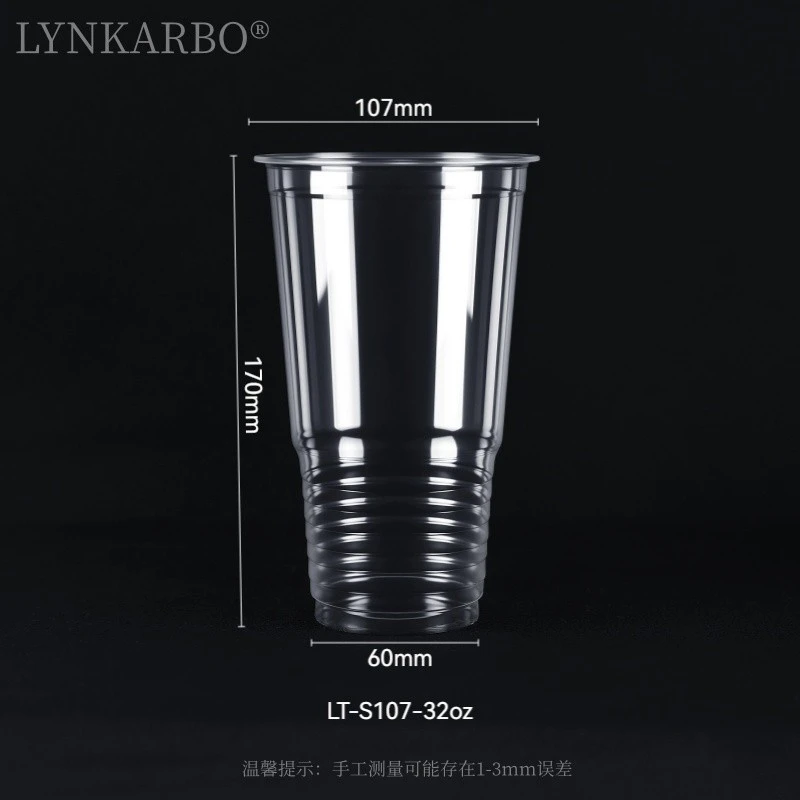
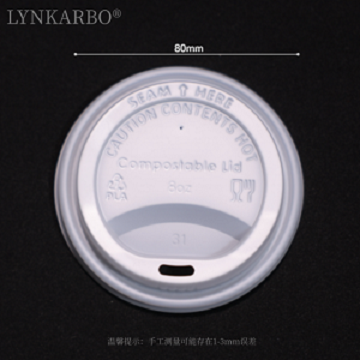
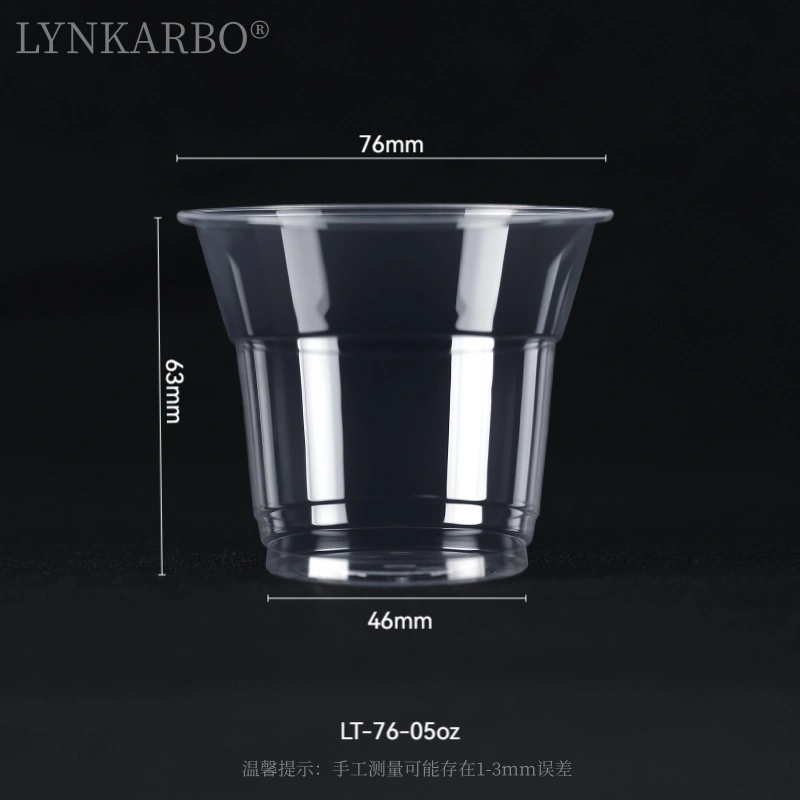
This question hits the nail on the head regarding the environmental benefits of PLA cold drink cups! The degradation time of PLA cold drink cups is not a fixed value; it is primarily influenced by three factors: environmental conditions, product manufacturing process, and material properties, with variations ranging from weeks to years.
Core Influencing Factors
Environmental Conditions (Most Critical Factor)
Temperature: The ideal degradation temperature is 55-70℃. Degradation almost stops below 20℃, while high temperatures accelerate microbial activity.
Humidity and Oxygen: High humidity (≥60%) and sufficient oxygen are required. Dry or enclosed environments significantly slow down degradation.
Microbial Concentration: In environments rich in microorganisms, such as soil and compost, degradation is much faster than in environments with scarce microorganisms, such as oceans and freshwater.
pH/Alkalinity: Neutral to slightly acidic environments are more conducive to degradation; strong acids and alkalis inhibit microbial metabolism.
Product Manufacturing Process and Form
Thickness: The thinner the cup (e.g., 0.3-0.5mm), the larger the contact area with microorganisms, and the faster the degradation rate; thicker-walled products (>1mm) will double the degradation time.
Processing Method: Blow-molded cups have a more porous structure and degrade faster than injection-molded products. Whether or not the surface is coated also has an impact; pure PLA cups without a PE coating degrade more efficiently.
Size: Small-capacity cups (e.g., 200ml) degrade faster than large-capacity cups (e.g., 500ml and above).
Material Characteristics and Formulation:
Purity: Pure PLA degrades quickly. Adding blends such as PBAT and starch can adjust the degradation cycle (usually accelerating degradation).
Molecular Weight: Low molecular weight PLA (molecular weight < 100,000) is more easily decomposed by microorganisms; high molecular weight products have a longer degradation cycle.
Additives: PLA cups without antioxidants and UV stabilizers degrade faster; adding environmentally friendly toughening agents generally does not affect degradation efficiency.
We use cookies to offer you a better browsing experience, analyze site traffic and personalize content. By using this site, you agree to our use of cookies. Privacy Policy