How to Select CPLA Heat‑Resistant Food Containers & PLA Cold‑Drink Packaging? Choose According to Scenarios to Avoid Pitfalls
Amid the wave of eco‑friendly packaging transformation, fully biodegradable containers made from PLA materials have been widely used in beverage, light‑dining and take‑out industries. Many purchasers hold a misunderstanding: since both belong to the polylactic acid material system, can they be used interchangeably for both hot and cold food?
In fact, due to different crystallization processes, CPLA heat‑resistant food containers and ordinary PLA cold‑drink boxes / cups show obvious differences in heat resistance, rigidity and applicable scenarios. Improper mixed use will easily cause softening, deformation or collapse. Combined with real‑world end‑user application scenarios, this article clarifies product positioning and selection criteria for these two products.
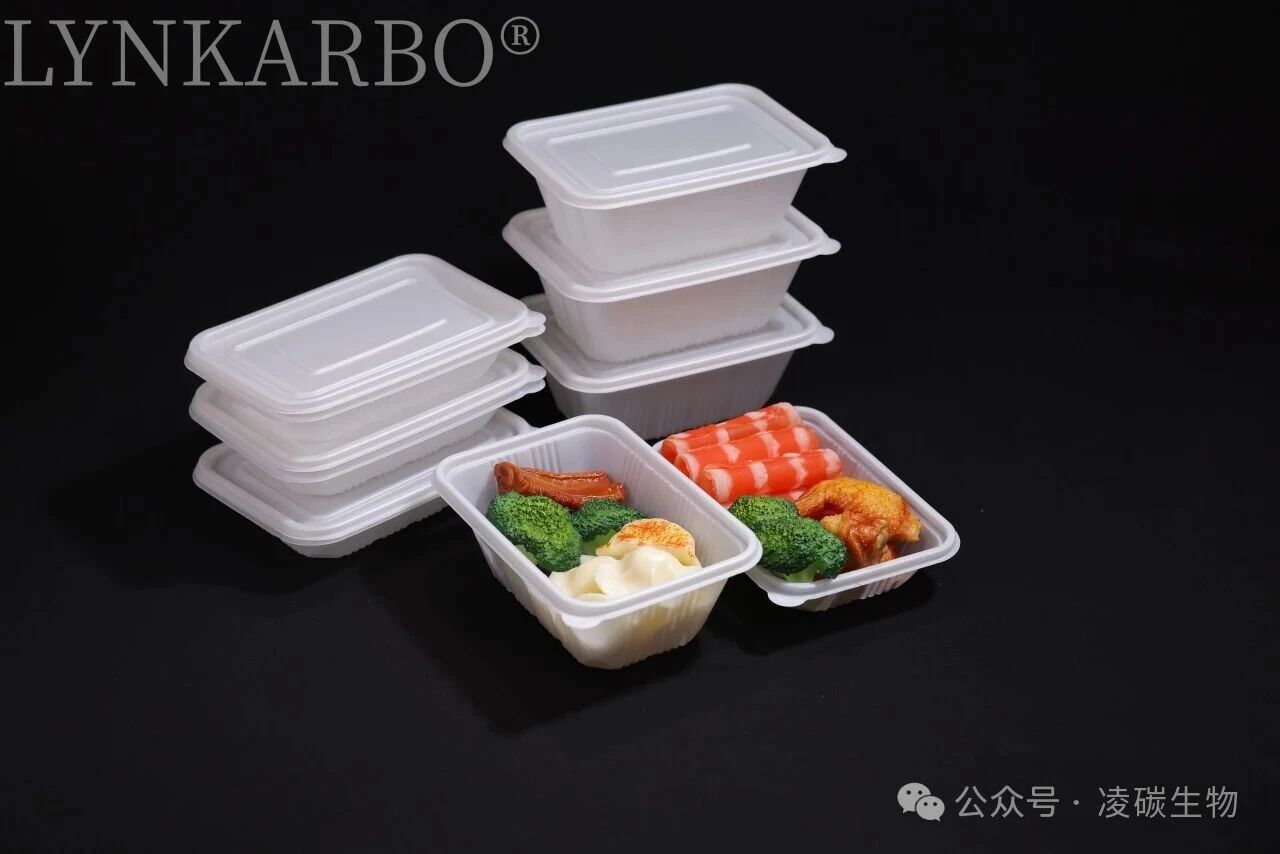
Same Raw Material, Different Properties: Core Differences Between CPLA and PLA
PLA (Polylactic Acid) is derived from plant‑based raw materials and meets international industrial composting biodegradation standards. Crystallized CPLA is produced through crystallization modification process. Their most critical difference lies in heat‑resistance performance.
Ordinary PLA
Low crystallinity, excellent light transmittance and beautiful forming effect.
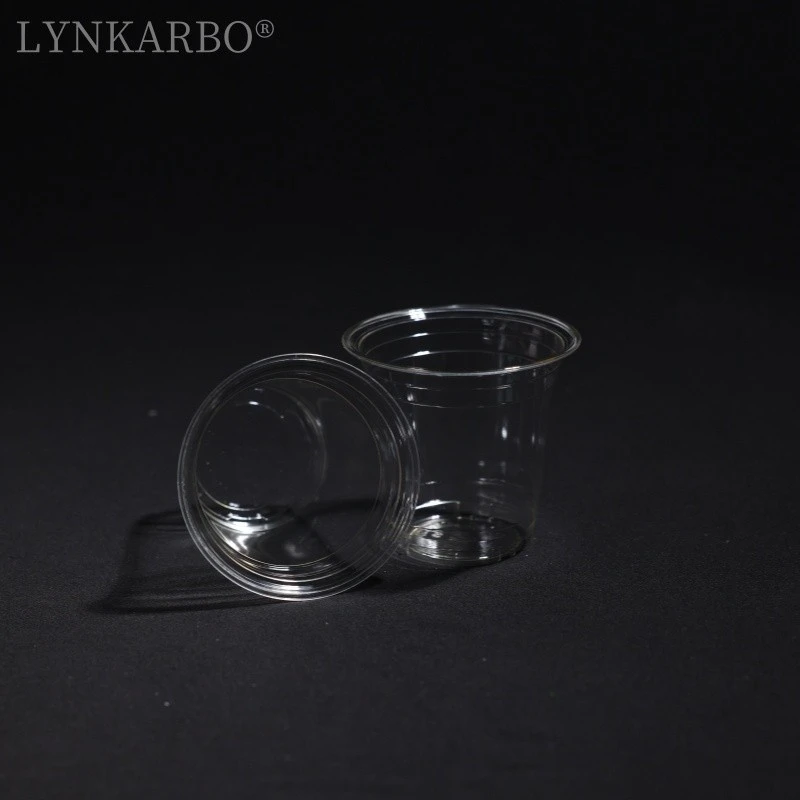
Limited heat‑resistance range; not suitable for holding high‑temperature food for long periods. Ideal for room‑temperature and low‑temperature scenarios. Most transparent cold‑drink cups and cold‑food takeaway boxes on the market are made of this material.
CPLA (Modified Crystallized Polylactic Acid)
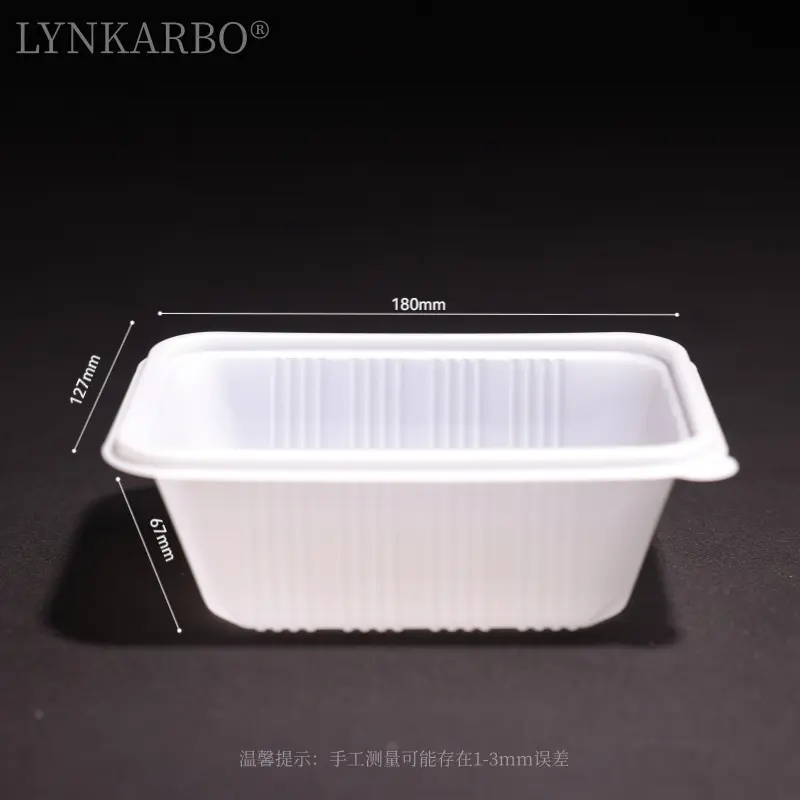
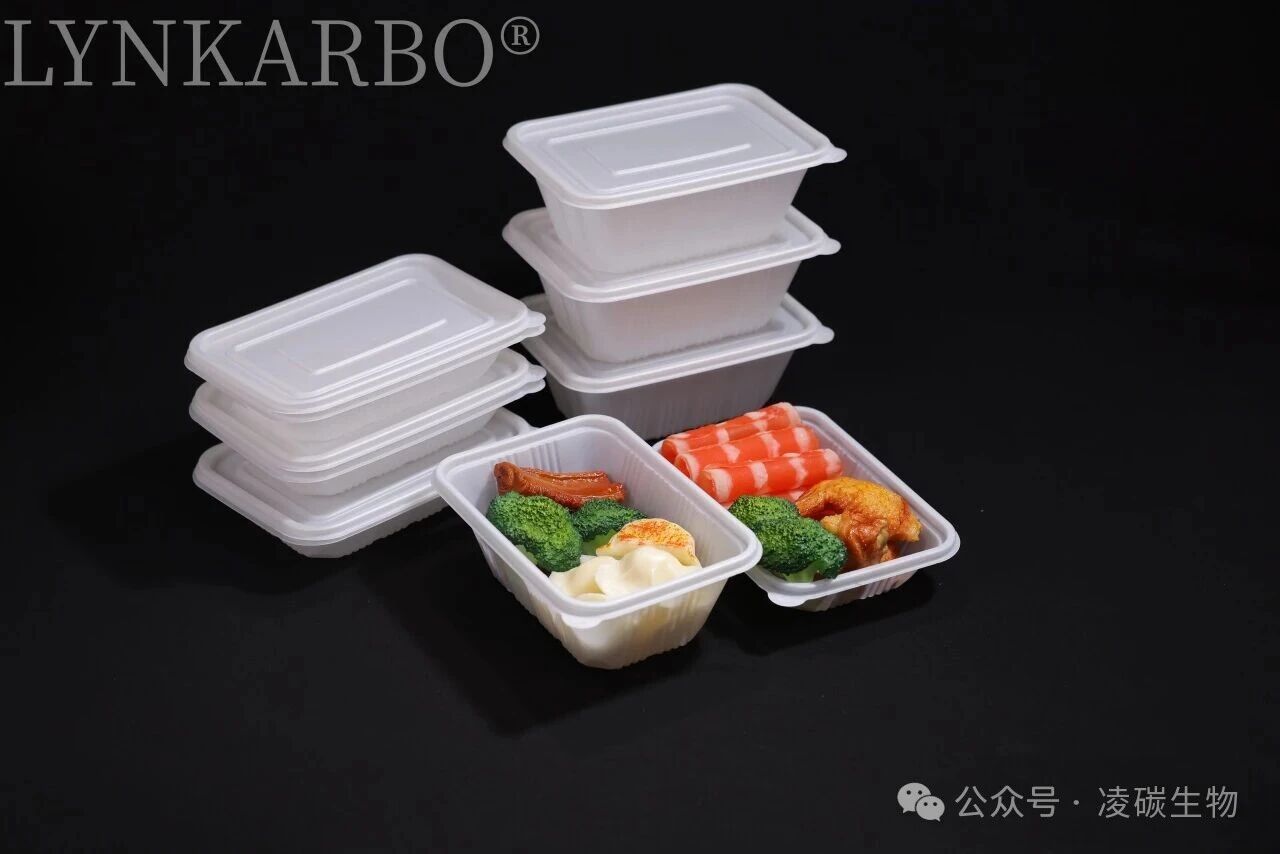
Optimized by directional crystallization technology. Its heat‑distortion temperature is greatly improved with stronger structural rigidity. It can stably hold hot food and is specially developed for hot‑meal take‑out packaging.
⚠️ Important Reminder
CPLA is NOT thickened PLA. Simply thickening ordinary PLA cannot achieve high‑temperature resistance and cannot replace CPLA heat‑resistant food containers.
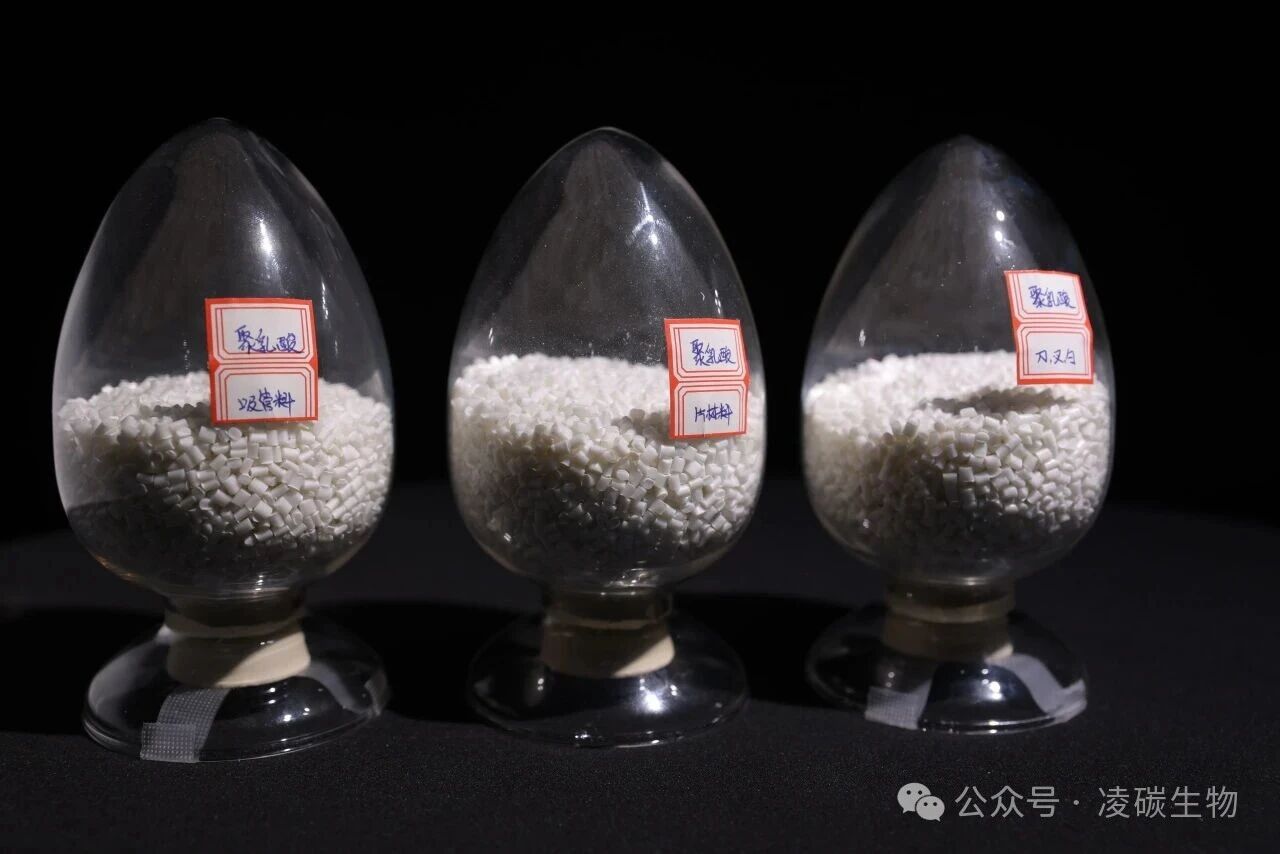
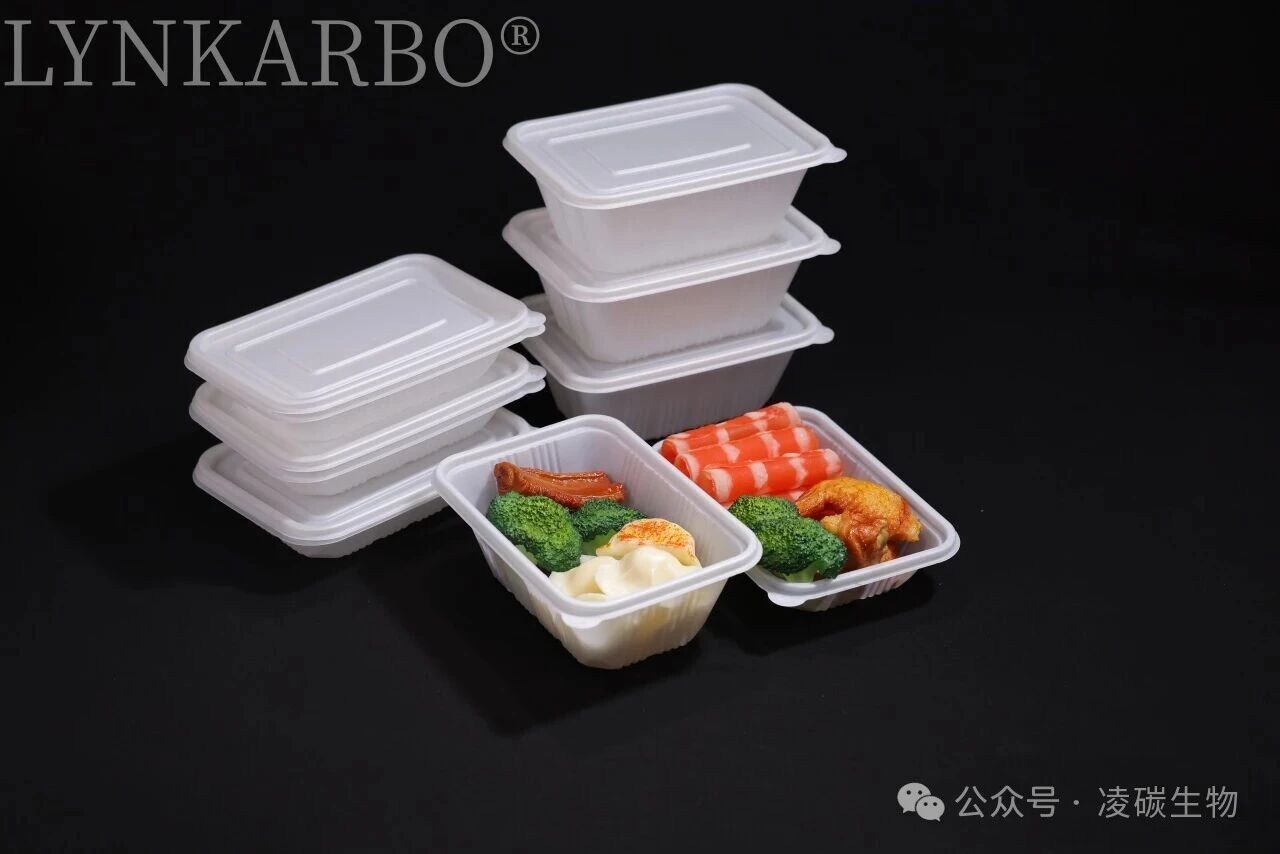
CPLA Heat‑Resistant Containers — Dedicated Solution for Hot‑Food Takeaway & Hot Light Meals
Core Advantages
1. Reliable heat resistance: Fits various hot dishes, noodles, hot light meals and pre‑cooked meals. Resists softening and collapse under regular hot‑food temperatures and maintains stable shape during long‑distance delivery.
2. High box‑body rigidity: Resists bulging and deformation when holding soupy hot food. Compatible with automatic film‑sealing and assembly‑line packing operations.
3. Virgin‑material forming: Performance comes from the material itself; no additional barrier coating required. Aligns with PFAS‑free and green‑safe packaging trends.
✅ Application Scenarios: Hot bento, covered‑rice meals, hot salad, braised‑pork rice, barbecue hot food, pre‑cooked hot‑food takeaway.
⚠️ Usage Tips: Not suitable for direct open‑flame heating or prolonged high‑temperature baking. Pre‑sampling is recommended for ultra‑high‑temperature heavy‑oil food.
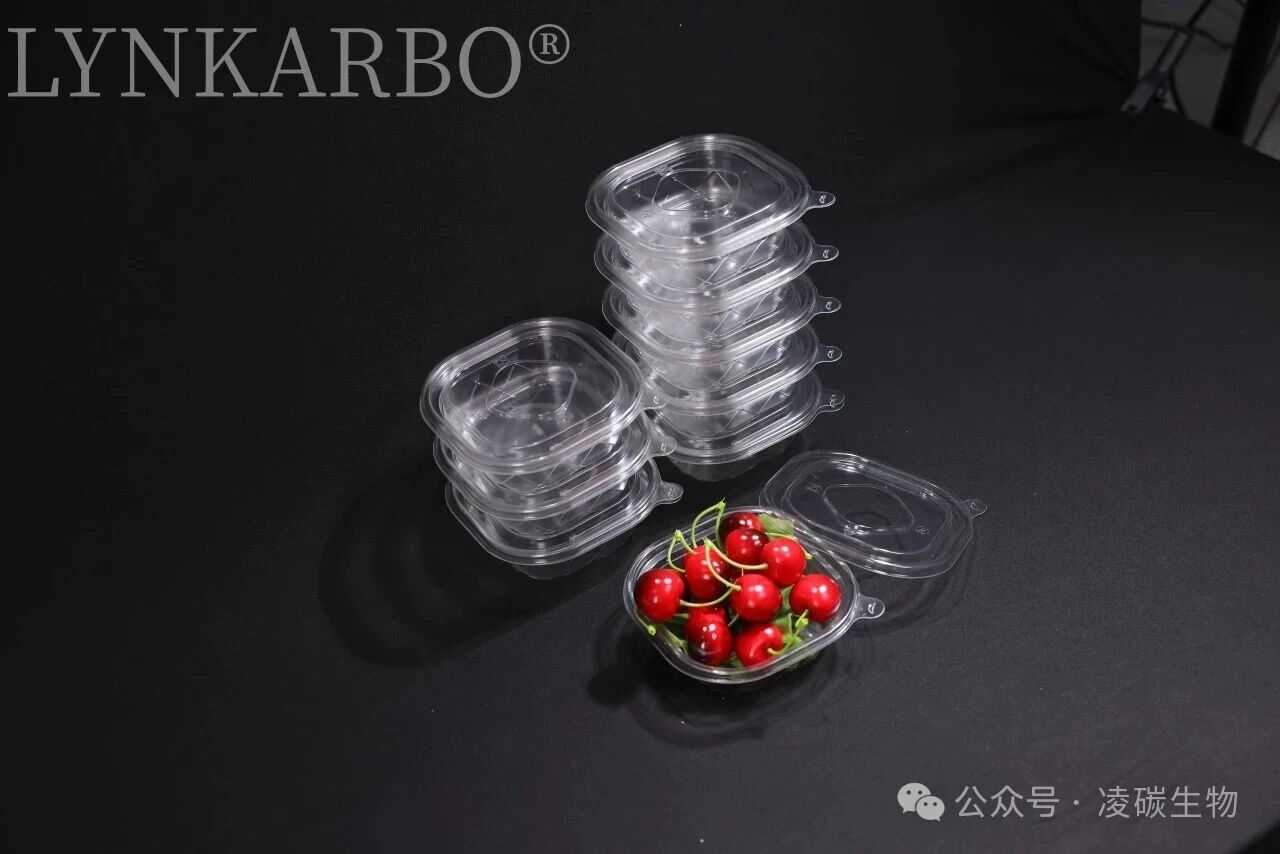
PLA Room‑Temperature Cold‑Drink Boxes & Cups — Mainstream Packaging for Beverages & Cold Food
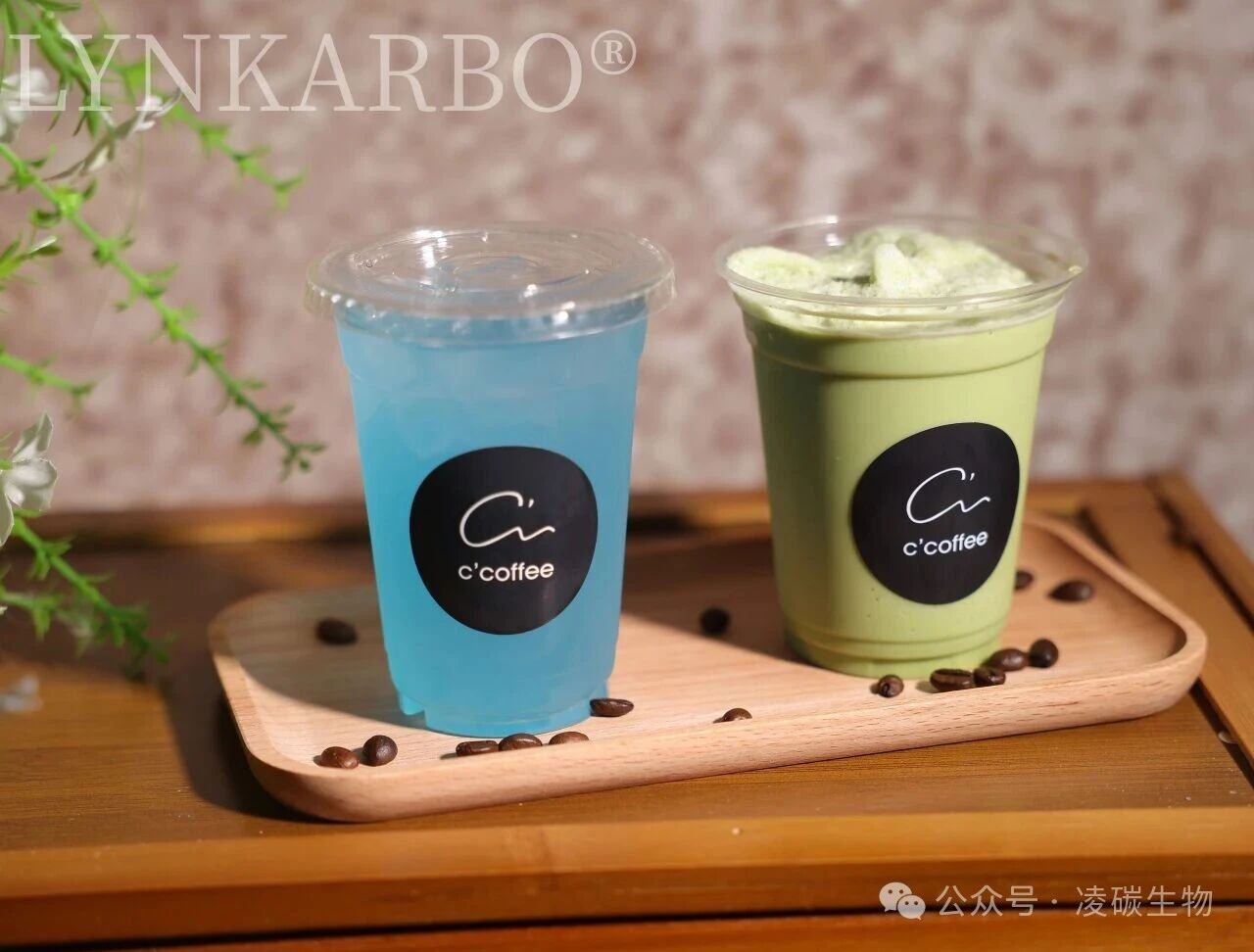
Most transparent PLA cups and cold‑drink takeaway boxes available on market are made of non‑crystallized PLA material.
Core Advantages
1. High transparency & attractive appearance: Visually close to traditional plastic, crystal‑clear, matching brand aesthetic requirements for new‑style beverage and cold‑food products.
2. Excellent processing performance: Suitable for mass sheet forming, supports thin‑wall lightweight containers with favorable cost performance.
3. Stable low‑temperature performance: Resists softening and brittle cracking under refrigerated, iced and room‑temperature conditions.
✅ Application Scenarios: Iced milk tea, cold coffee, fruit juice, cold‑salad takeaway, desserts, ambient‑temperature light meals, refrigerated snacks.
❌ Prohibited Scenarios: Do not hold boiling‑hot food directly. Long‑term contact with food above 60 ℃ will easily cause softening and deformation of cups or boxes.
Quick Reference for Scenario‑Oriented Selection
- Hot meals, hot staple food, warm‑dish takeaway → Choose CPLA heat‑resistant food containers
- Iced drinks, room‑temperature beverages, cold salad, desserts, refrigerated snacks → Choose PLA cold‑drink containers & PLA cups
Using one packaging for both hot and cold products brings major after‑sales risks. Separate procurement systems for hot‑food and cold‑food packaging are recommended.
Common Purchasing Misconceptions
1. Trying to hold hot food with thickened ordinary PLA cold‑drink boxes to substitute CPLA, resulting in deformation and leakage during delivery.
2. Purchasing one single packaging material for all products without distinguishing hot‑cold usage scenarios.
3. Mistakenly believing all polylactic‑acid products are high‑temperature‑resistant, ignoring performance gaps brought by crystallization processes.
Separated selection for hot‑cold scenarios is the simplest and most effective measure for end customers to reduce complaints and stabilize quality.
There is no need to over‑invest in high‑heat‑resistant materials for cold‑use scenarios; cold‑drink containers shall not be used as hot‑food takeaway boxes.
Industry Application Trend
More and more chain light‑meal and beverage brands have built graded packaging systems:
Transparent PLA cups and cold‑drink boxes for cold‑drink bars and cold salad;
CPLA heat‑resistant containers for hot light meals and hot‑food takeaway.
These two product lines serve different purposes. While ensuring visual experience and delivery stability, both are fully biodegradable materials. They satisfy domestic and international environmental‑protection compliance requirements and support sustainable development as well as ESG brand building.
Conclusion
Neither PLA nor CPLA is absolutely superior. The core lies in matching materials with application scenarios.
Clarify heat‑resistance limits and select proper packaging products, so you can balance user experience and cost during environmental‑protection upgrading.
Related News
- Going to Latin America | Policy Mandatory Replacement! Lingcarbon Biotech makes its debut at the Mexico exhibition, showcasing its strong PLA cold and hot food packaging capabilities
- How Can CPLA Natural Color Cup Lids Transform Your Sustainable Packaging?
- How Can PLA Cold Drink Cups Improve Sustainable Beverage Packaging?
- How can PLA modification process optimize the wear resistance and light transmittance of cold drink cups?
- What conditions should be considered when storing CPLA cup lids?
- How Does a PLA Lunch Box Improve Your Daily Life?
Leave me a message