

Industry News
 04 2026-06
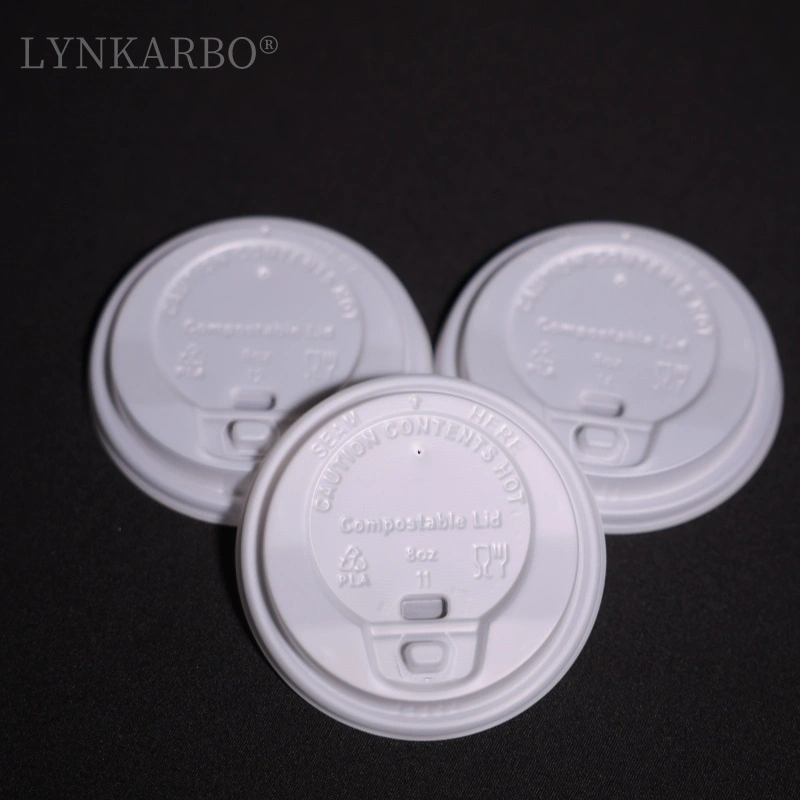
 How Can CPLA Natural Color Cup Lids Transform Your Sustainable Packaging?
In the world of eco-friendly packaging, CPLA natural color cup lids are gaining attention as a sustainable, durable, and visually appealing solution. This article explores their benefits, design considerations, environmental impact, and practical applications. Whether you're a café owner, packaging manufacturer, or sustainability advocate, this guide provides actionable insights to help you make informed choices.
 29 2026-05
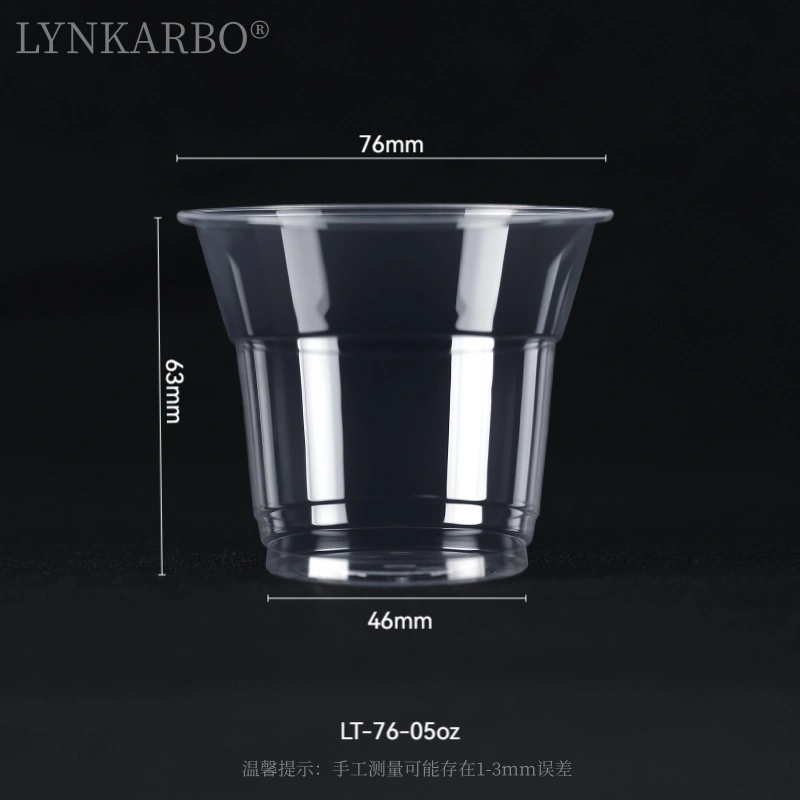
 How Can PLA Cold Drink Cups Improve Sustainable Beverage Packaging?
Businesses in the beverage and food service industries are under increasing pressure to reduce plastic waste while maintaining product quality and customer satisfaction. PLA cold drink cups have emerged as a reliable alternative to traditional petroleum-based plastic cups, offering eco-conscious performance without sacrificing durability or appearance. This article explains how PLA cold drink cups work, their advantages, application scenarios, purchasing considerations, and how businesses can maximize their value in modern packaging operations.
How can PLA modification process optimize the wear resistance and light transmittance of cold drink cups?
With the rapid development of the green packaging industry, PLA (polylactic acid) beverage cups, with their advantages of being fully biodegradable and low-carbon, are gradually replacing traditional plastic beverage cups and becoming the preferred packaging product for tea, coffee, and beverage chain stores. However, virgin PLA material has certain shortcomings, including insufficient wear resistance and uneven light transmission, which can easily lead to problems such as fogging, minor scratches, and blurred light transmission, affecting the product's appearance and user experience. Professional PLA modification processes can precisely optimize these two core properties, achieving a balance between aesthetics and practicality.
What conditions should be considered when storing CPLA cup lids?
CPLA cup lids, as a new generation of fully biodegradable and environmentally friendly packaging material, are rapidly becoming the green choice for the coffee and tea beverage industry. However, even the best products require proper storage to ensure stable performance and safety. So, how should CPLA cup lids be stored?