

Industry News
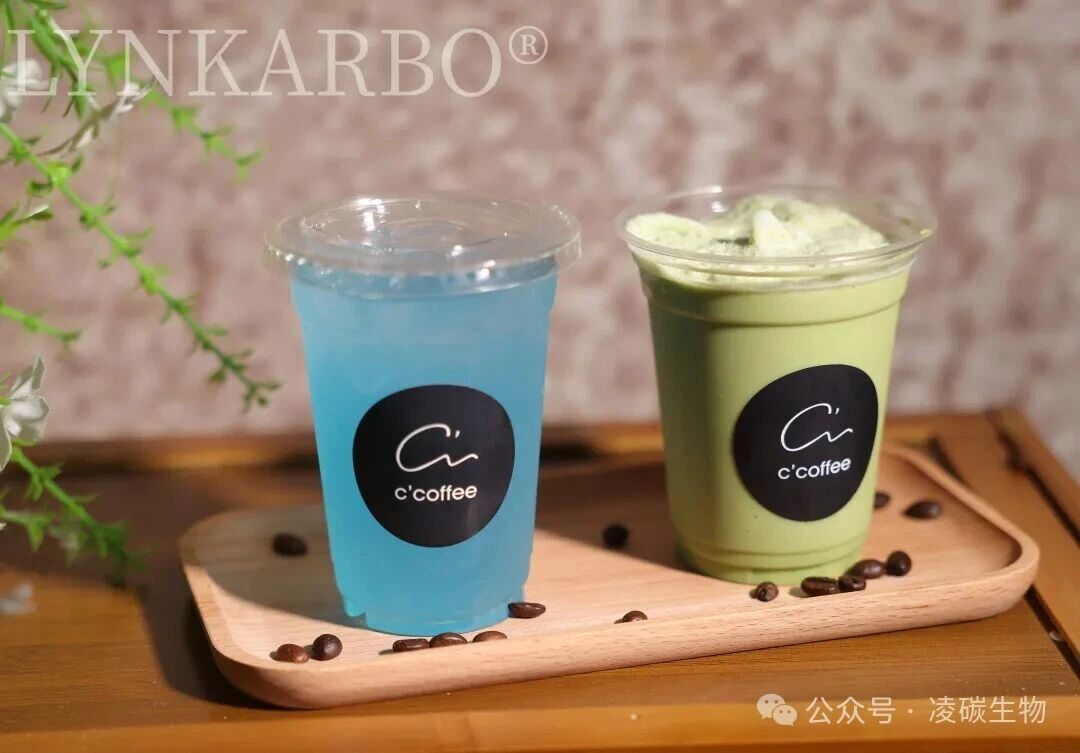 26 2026-03
 PLA bio-based materials and plastic pollution control
Plastic degradation is essentially the process by which plastic materials break down into smaller components and lose their original structural integrity. It mainly includes natural pathways such as physical degradation, chemical degradation, and biological degradation, as well as artificially accelerated pathways such as artificial catalysis and biofortification. Despite the diverse degradation pathways, the efficient and harmless decomposition and removal of plastics still faces multiple insurmountable challenges.
 25 2026-03
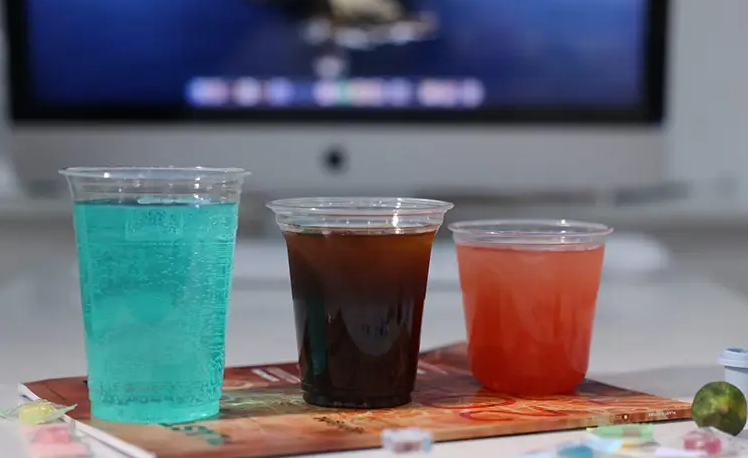
 PLA cold drink cups are suitable for which occasions?
With environmental awareness growing stronger, PLA cold drink cups are gradually becoming the ideal choice for many scenarios due to their unique advantages. So, in which scenarios are PLA cold drink cups suitable?
 23 2026-03
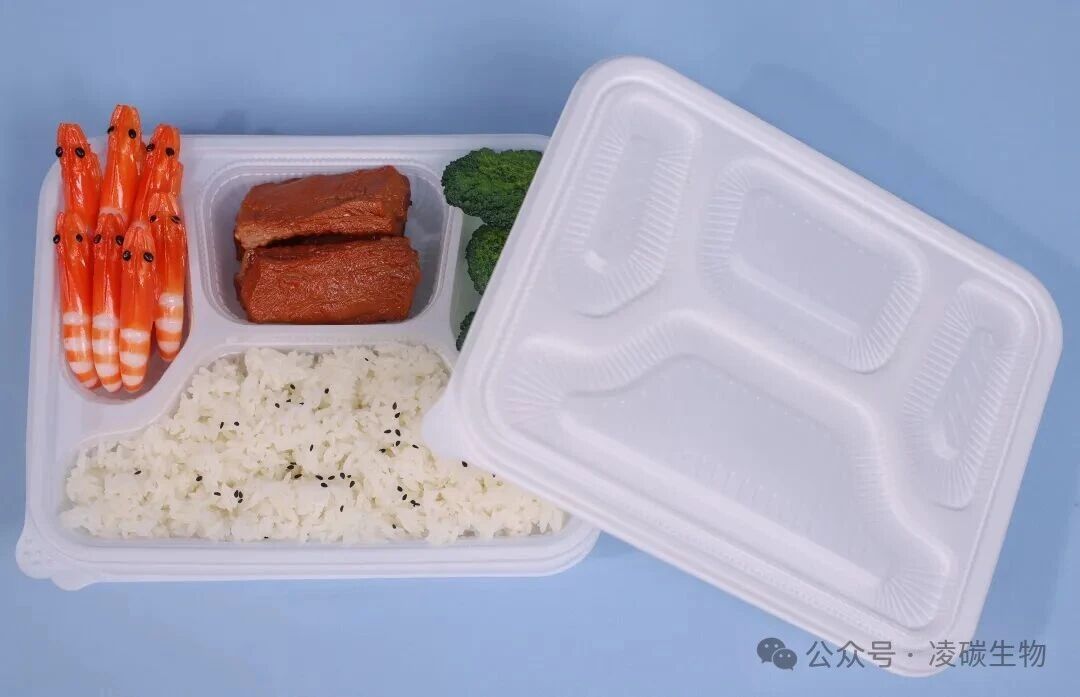
 The Wisdom of Plastic Reduction Amidst the Plastic Barrier: PLA Makes Choices More Flexible
Plastic has long permeated the air, food, and drinking water, weaving an invisible web covering our lives. Data shows that approximately 11 million tons of plastic waste enter the ocean each year, and at current rates, this figure will increase to 33 million tons by 2040, three times the current amount. Even more worrying is that scientists have detected microplastics in the human brain, lungs, digestive tract, and even the placenta. Although their specific health effects are still inconclusive, early studies have linked them to a higher risk of heart disease, stroke, and intestinal diseases.
 20 2026-03
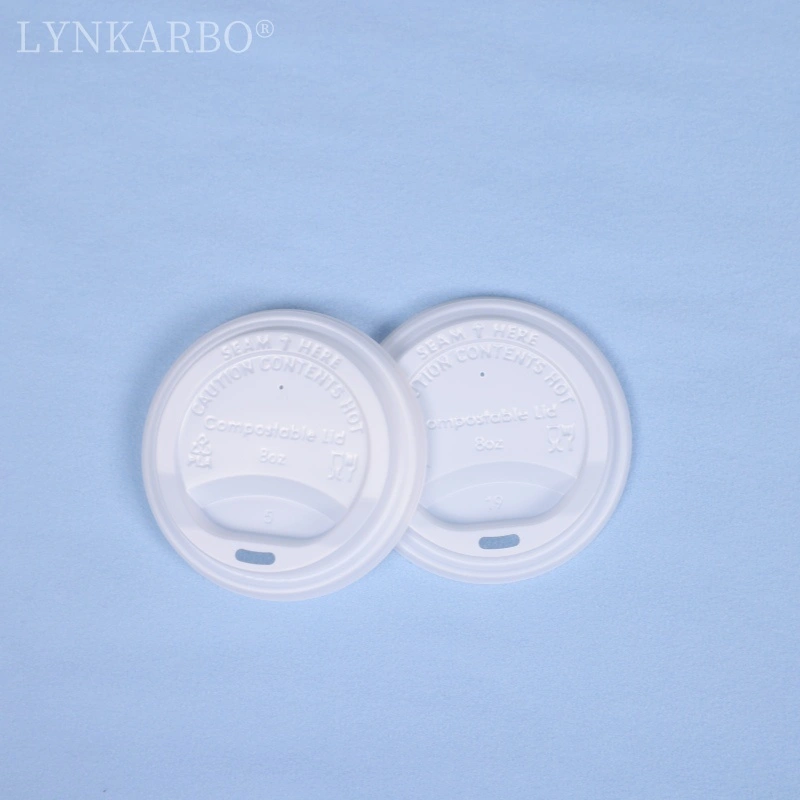
 Does the sealing performance of CPLA cup lids surpass that of traditional materials?
In today's global wave of environmental protection, consumers have increasingly stringent requirements for disposable catering products, demanding both environmental friendliness and a superior user experience, especially in terms of sealing performance.
 18 2026-03
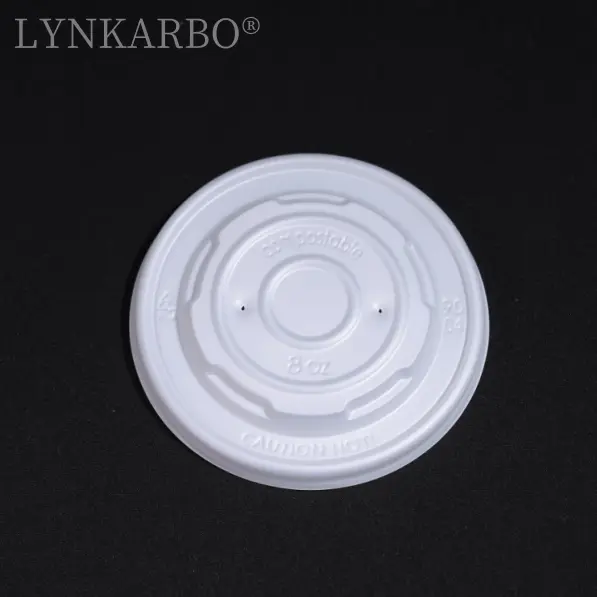
 What are the environmental advantages of CPLA soup bowl lids compared to ordinary plastic lids?
Analysis of the Environmental Advantages of CPLA Soup Bowl Lids Compared to Ordinary Plastic Lids
In today's world, with increasing environmental awareness, the environmental friendliness of disposable tableware is receiving much attention.
How can the airtightness of PLA sushi lids be guaranteed?
In an era that prioritizes healthy and environmentally friendly dining, PLA (polylactic acid) sushi lids have become the preferred choice for many sushi restaurants and catering businesses due to their biodegradable, safe, and non-toxic properties.