PLA bio-based materials and plastic pollution control
The Core Real-World Challenges of Effective Plastic Degradation
Plastic degradation, essentially the process by which plastic materials break down into smaller components and lose their original structural integrity, is mainly divided into natural pathways such as physical degradation, chemical degradation, and biological degradation, as well as artificially accelerated pathways such as artificial catalysis and biofortification. Despite the diverse degradation pathways, the efficient and harmless decomposition and removal of plastics still faces multiple insurmountable challenges. The primary challenge stems from the inherent durability of plastics. The stable C-C bonds in the plastic molecule structure, along with various stabilizers added during production—intended to resist environmental erosion and extend lifespan—directly result in extremely slow and incomplete natural degradation. The degradation process generates a large number of microplastics. These tiny particles have a huge surface area and can efficiently adsorb toxic substances such as heavy metals and organic pollutants from the environment. These substances are then passed down through the food chain, accumulating and enriching within organisms, ultimately harming the entire ecosystem.
Meanwhile, reactive byproducts such as free radicals and partially oxidized compounds generated during degradation can invade organisms, triggering oxidative stress and DNA damage, directly causing cell destruction and irreversible health harm. Another major challenge is the continuous release of toxic monomers during degradation. Even if existing adsorption technologies can temporarily isolate some harmful substances, fluctuations in environmental conditions such as pH and temperature can cause these toxic substances to desorb and flow back into the ecosystem. For example, bisphenol A (BPA), a common component of polycarbonate (PC) plastics, can cause hormonal imbalances and developmental abnormalities in wild animals and humans with long-term exposure, and has long been listed as a key controlled environmental hormone.

Sustainable Alternative Material Innovation
PLA as a Core Breakthrough Addressing the dual pollution crisis caused by plastic degradation requires more than just end-of-pipe treatment. A comprehensive strategy encompassing upstream reduction, midstream recycling, and downstream substitution is essential. This involves strictly controlling total plastic production and increasing recycling rates, while simultaneously developing truly degradable and non-toxic alternative materials to block the release of toxic monomers at the source. Among numerous new alternative materials, polylactic acid (PLA), as the most technologically mature and widely used bio-based biodegradable material, has become a core breakthrough in solving plastic pollution. PLA, an aliphatic polyester, is derived from renewable plant resources such as corn, sugarcane, cassava, and straw. Through starch saccharification and microbial fermentation, lactic acid is produced, which is then polymerized to create a high-molecular-weight material. This process completely eliminates dependence on fossil fuels like petroleum, aligning with the principles of a circular economy and low-carbon environmental protection.
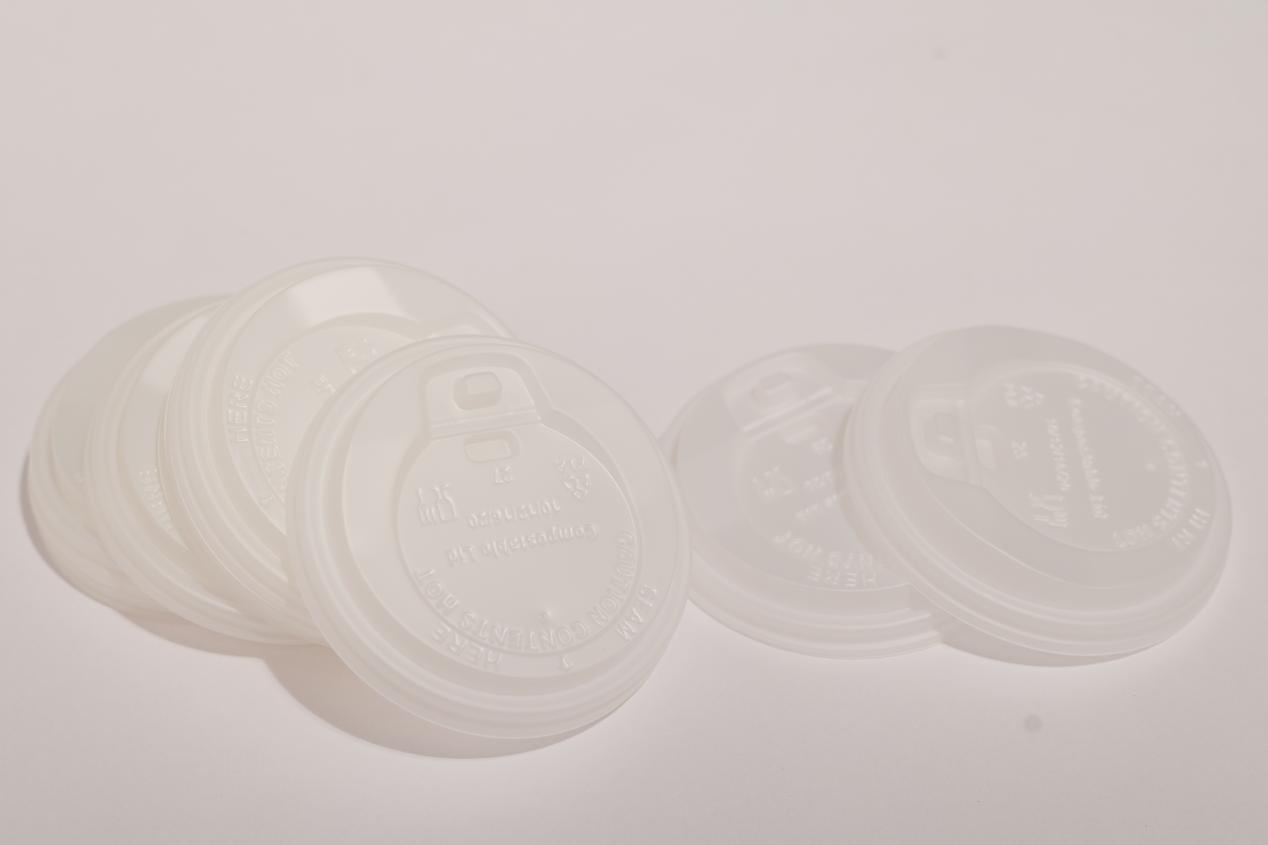
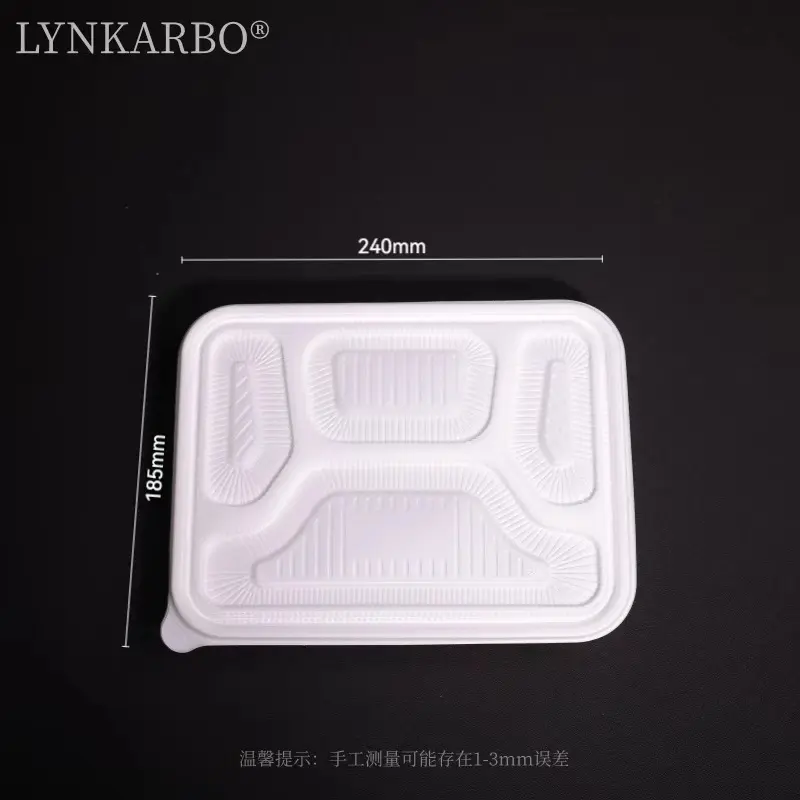
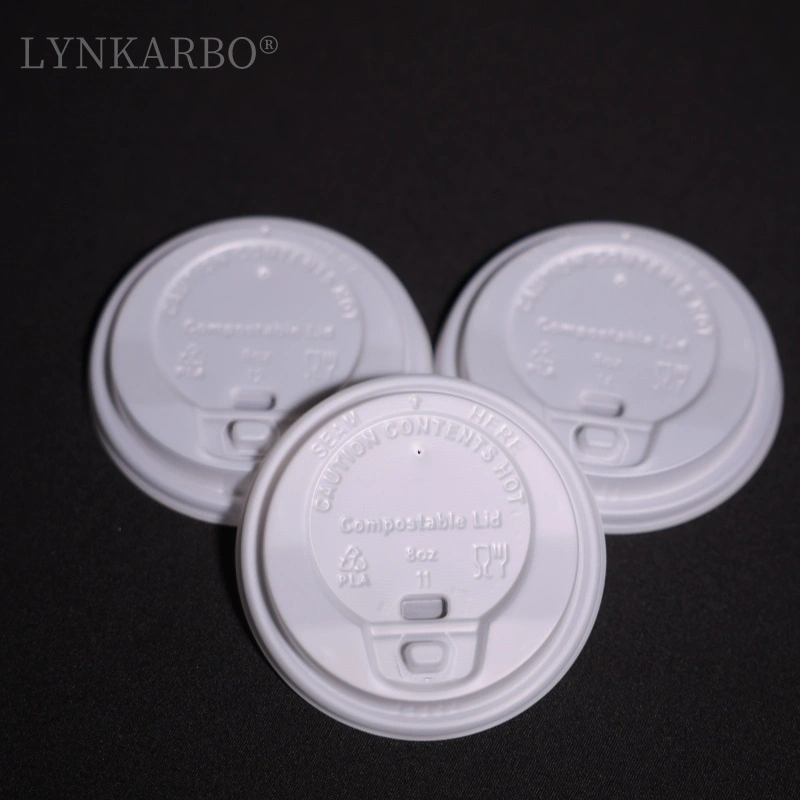
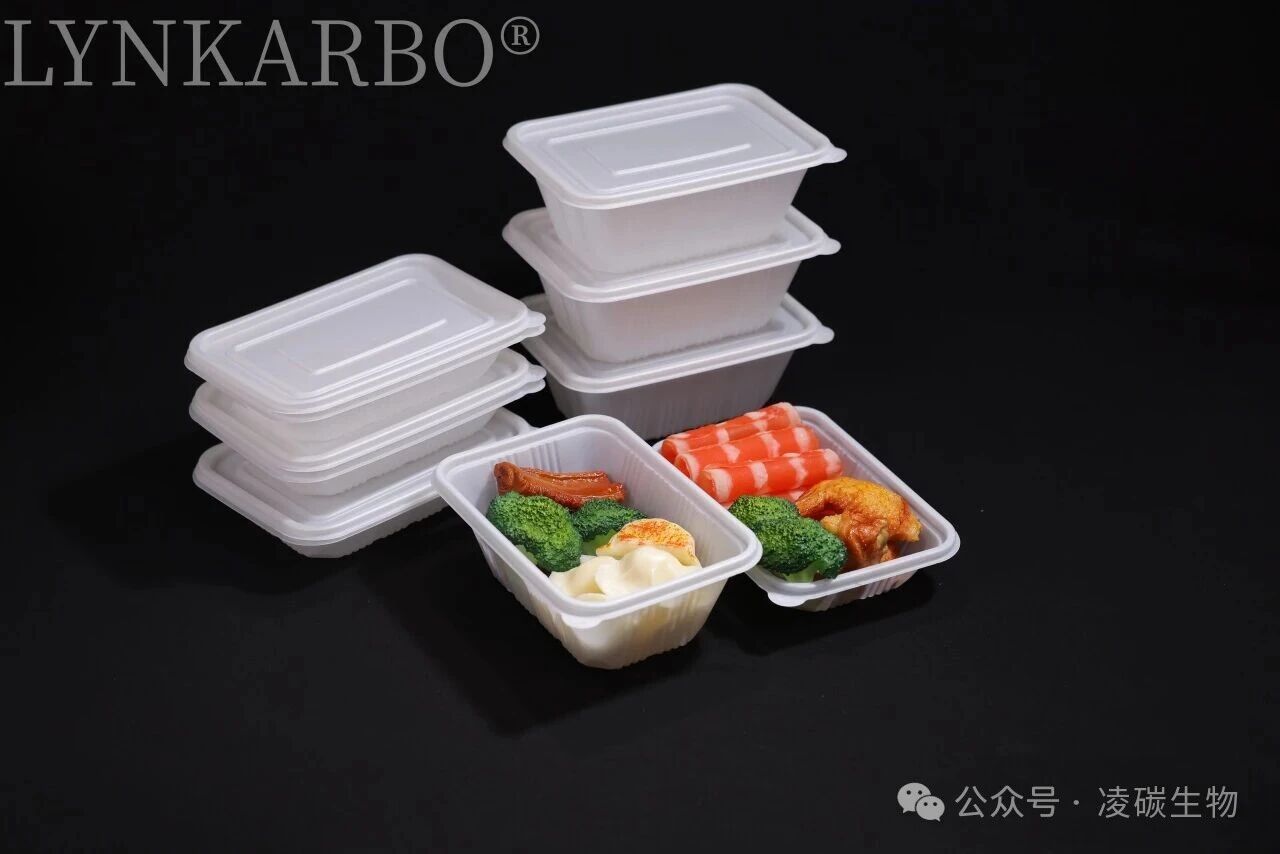
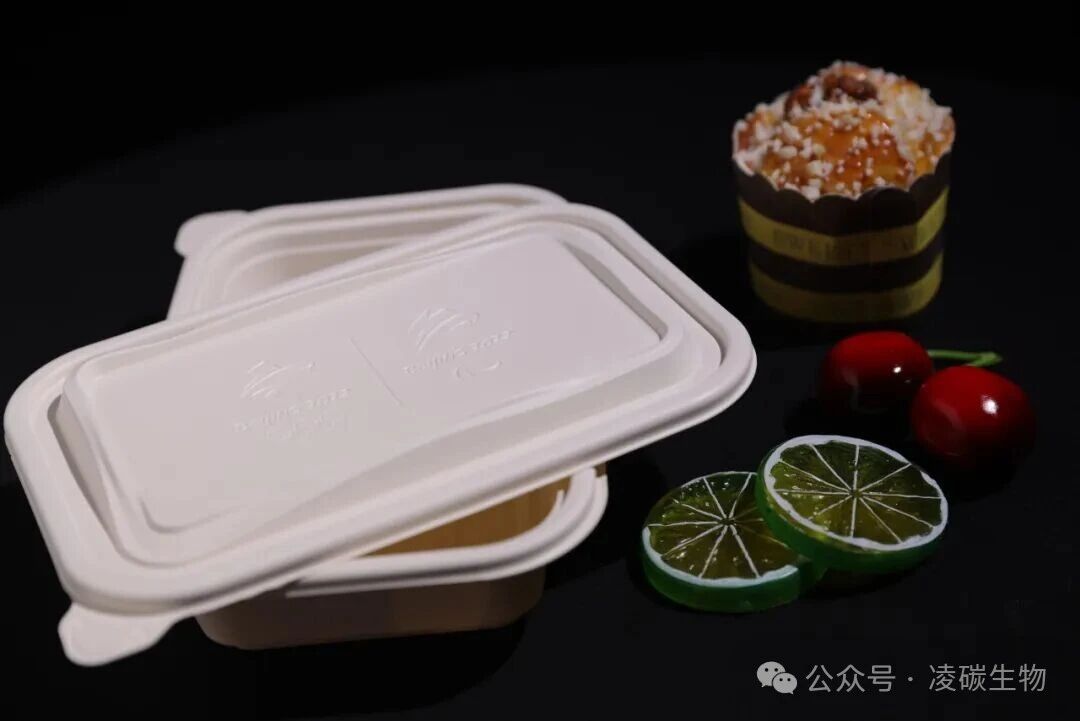
Its core advantage lies in its harmless degradation characteristics: PLA molecules contain easily hydrolyzed ester bonds. Under industrial composting conditions (55-60℃, high humidity), it first breaks down into lactic acid monomers through non-enzymatic hydrolysis, and then undergoes complete microbial metabolism, ultimately producing carbon dioxide and water. The entire process does not release toxic substances such as bisphenol A or styrene, and the degradation products pose no harm to the environment or organisms—a core advantage unmatched by traditional plastics. Currently, PLA has achieved large-scale application, widely used in disposable lunch boxes, straws, coffee cups, fresh produce trays, express delivery cushioning packaging, agricultural mulch films, and other fields. Some medical sutures and 3D printing consumables also use PLA, combining practicality and environmental friendliness. However, PLA also has certain shortcomings, such as slow degradation at room temperature, poor heat resistance (usable temperature not exceeding 60℃), and a brittle texture that is easily broken. Researchers are currently using modification technologies such as blending, copolymerization, and nanocomposite processes to gradually optimize its toughness, heat resistance, and controllable degradation, further expanding its application scenarios.
Related News
- Going to Latin America | Policy Mandatory Replacement! Lingcarbon Biotech makes its debut at the Mexico exhibition, showcasing its strong PLA cold and hot food packaging capabilities
- How to Select CPLA Heat‑Resistant Food Containers & PLA Cold‑Drink Packaging? Choose According to Scenarios to Avoid Pitfalls
- How Can CPLA Natural Color Cup Lids Transform Your Sustainable Packaging?
- How Can PLA Cold Drink Cups Improve Sustainable Beverage Packaging?
- How can PLA modification process optimize the wear resistance and light transmittance of cold drink cups?
- What conditions should be considered when storing CPLA cup lids?
Leave me a message