PLA: The Green Key to Solving the Plastic Dilemma
As the "plastic vortex" in the Pacific continues to expand, as microplastic particles are detected in the stomachs of Antarctic penguins, and as 399 million tons of plastic waste annually become an indigestible "white burden" on the planet, the battle between humanity and plastic pollution has entered a critical phase. In this battle concerning ecological survival, the rise of fully biodegradable plastics, especially polylactic acid (PLA), has illuminated a path to breakthrough that combines environmental value with carbon neutrality, reshaping the way humanity interacts with plastic.
As one of the most widely used biodegradable plastics, PLA's "green genes" are inherent. Unlike traditional plastics that rely on petroleum resources, PLA is made from renewable biomass such as corn and straw through processes like microbial fermentation and chemical synthesis, thus eliminating dependence on fossil fuels at the source. More importantly, its degradation characteristics are remarkable—under industrial composting conditions, PLA can be decomposed into carbon dioxide and water by microorganisms within months, ultimately returning to the natural cycle and completely solving the long-term pollution problem of plastic waste. This "from nature, back to nature" life cycle makes it an ideal choice for environmental governance.
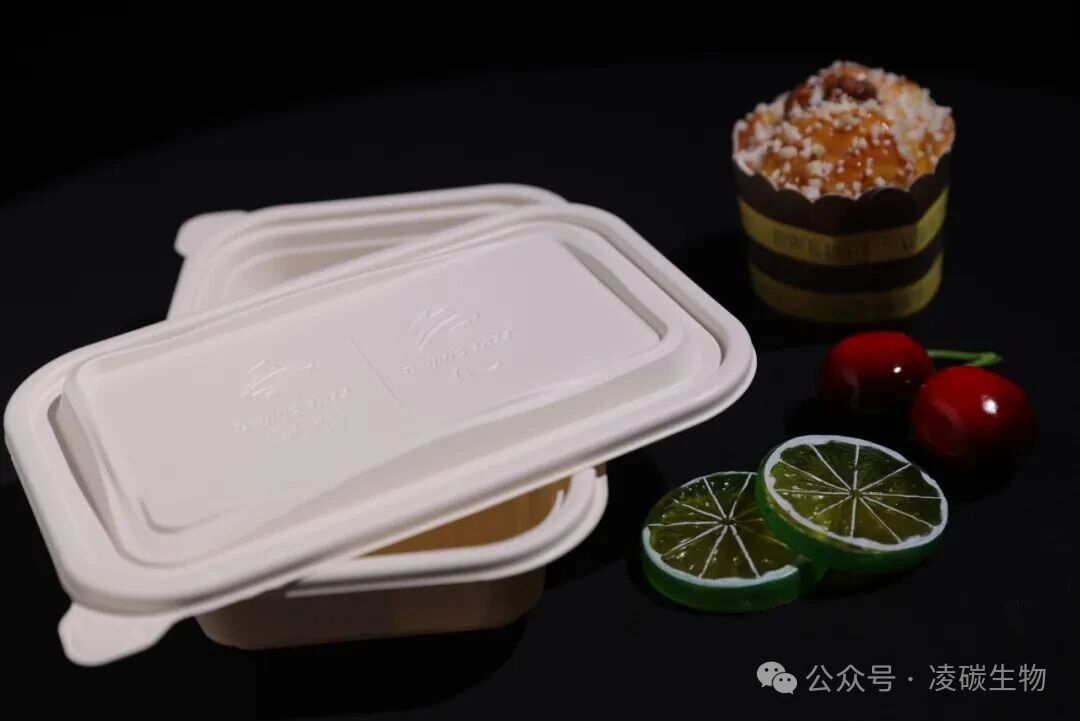
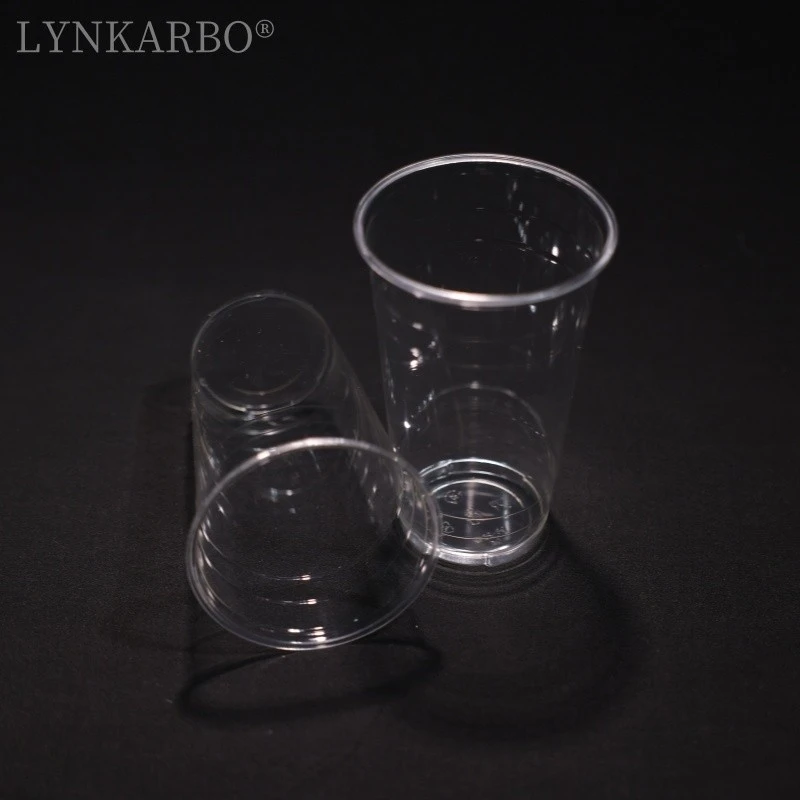
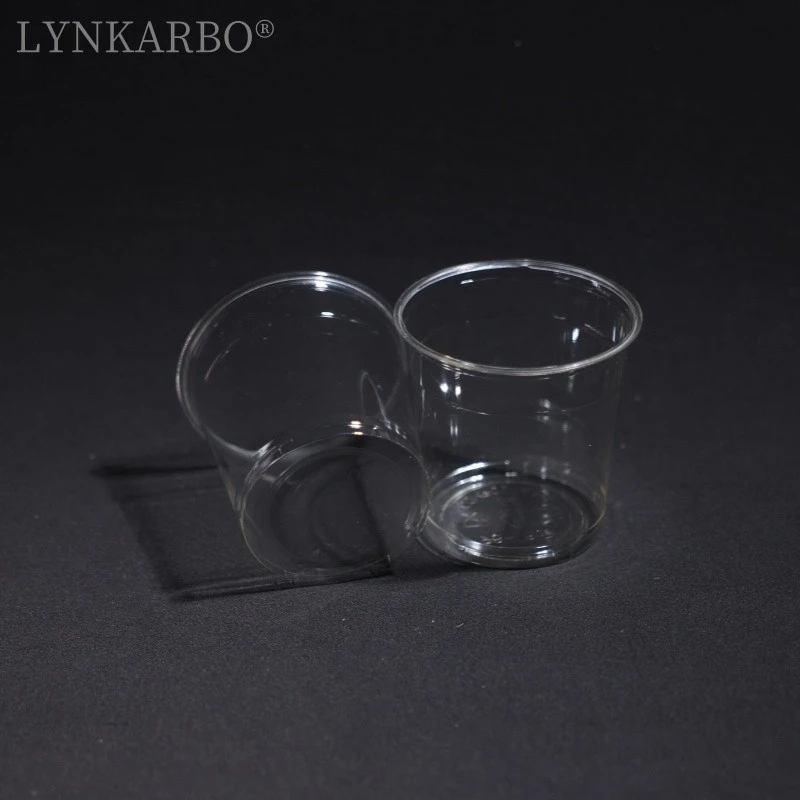
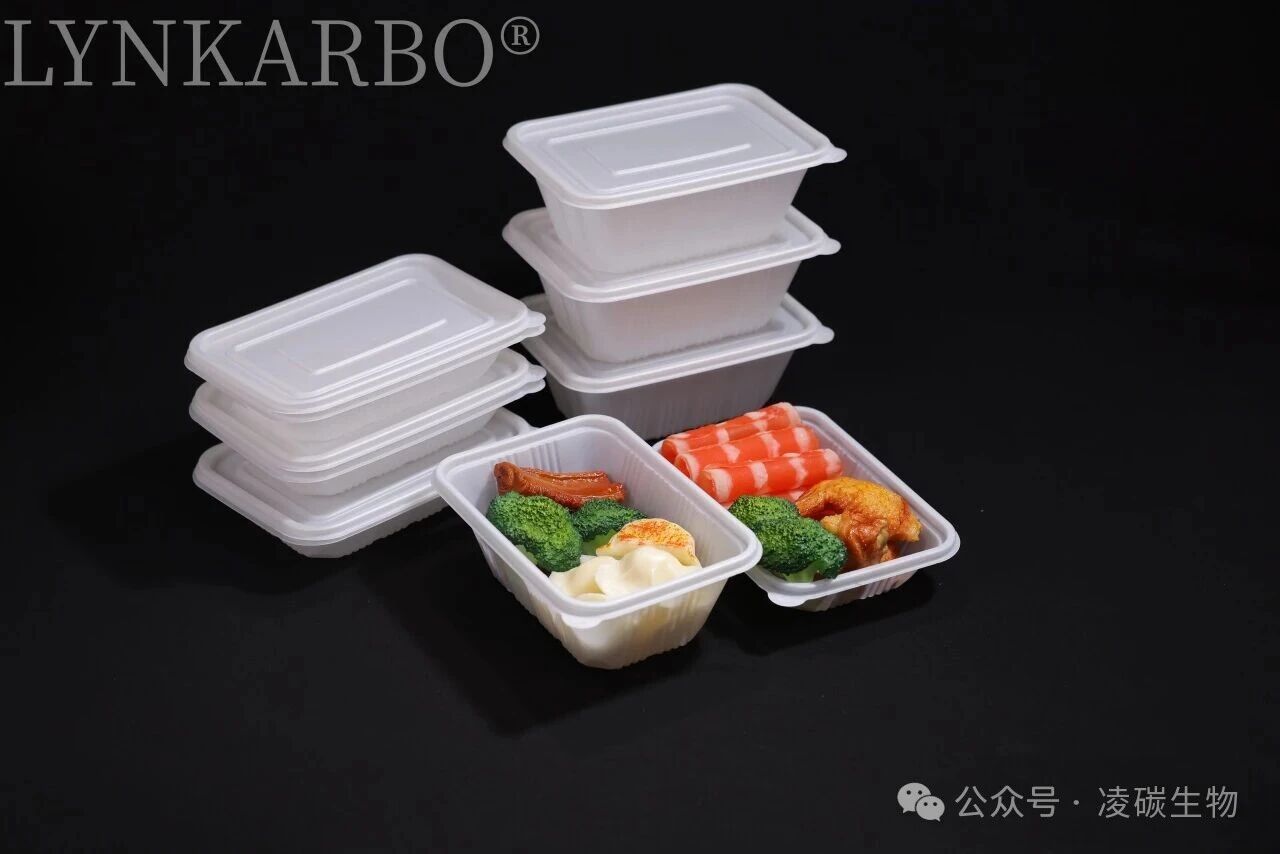
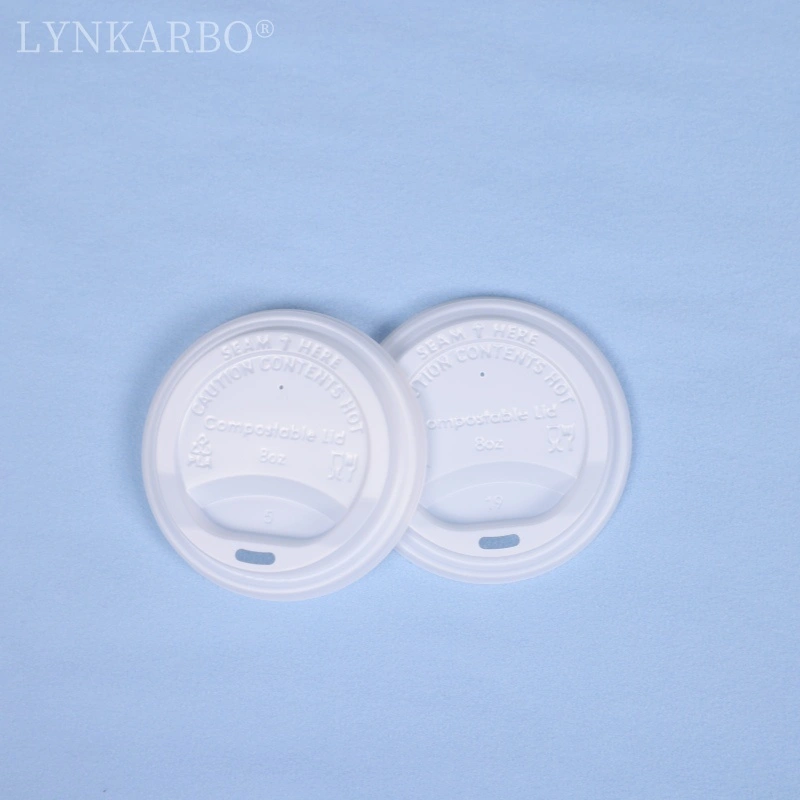
The green value of PLA has been proven in diverse scenarios, with its application scope continuously expanding from daily consumption to high-end industries. In the packaging sector, Starbucks' PLA cup lids and McDonald's PLA straws have become familiar environmental symbols for consumers. This material boasts advantages such as high transparency and oil resistance, and after modification, it can also meet microwave heating requirements. Japanese company Kanebo's PLA cosmetic bottles and European brands' PLA mineral water bottles provide low-carbon solutions for the beauty and beverage industries. In the daily necessities sector, PLA-made disposable tableware and compostable garbage bags precisely meet the "plastic ban" requirements of various countries, and PLA products from brands such as Germany's BioBag and the US's EcoSafe have already established mature markets. More noteworthy is PLA's biocompatibility, which makes it shine in the medical field. Johnson & Johnson's PLA sutures can naturally degrade in the body without the need for secondary surgery for removal. Its bone repair materials and drug delivery carriers are driving medical technology towards a safer and more environmentally friendly direction.
Under the "dual-carbon" strategy, PLA's emission reduction value is particularly prominent. Data shows that PLA shopping bags can reduce overall carbon emissions by 70% compared to traditional PE bags. In the five years since my country implemented its "plastic restriction order" and biodegradable plastic standards, replacing traditional plastic bags alone has cumulatively reduced carbon dioxide emissions by 840,000 tons and saved 1.2 million tons of petroleum resources. This emission reduction effect is reflected throughout the entire industrial chain: carbon dioxide can be absorbed during the raw material planting stage; energy consumption during production is lower than that of traditional plastics; and the carbon dioxide released during the degradation stage can be reused by plant photosynthesis, forming a closed-loop carbon cycle system. With breakthroughs in non-grain raw material technologies, PLA made from agricultural waste such as straw will achieve an even lower carbon footprint in the future, providing solid support for the goal of carbon neutrality.
Related News
- Going to Latin America | Policy Mandatory Replacement! Lingcarbon Biotech makes its debut at the Mexico exhibition, showcasing its strong PLA cold and hot food packaging capabilities
- How to Select CPLA Heat‑Resistant Food Containers & PLA Cold‑Drink Packaging? Choose According to Scenarios to Avoid Pitfalls
- How Can CPLA Natural Color Cup Lids Transform Your Sustainable Packaging?
- How Can PLA Cold Drink Cups Improve Sustainable Beverage Packaging?
- How can PLA modification process optimize the wear resistance and light transmittance of cold drink cups?
- What conditions should be considered when storing CPLA cup lids?
Leave me a message