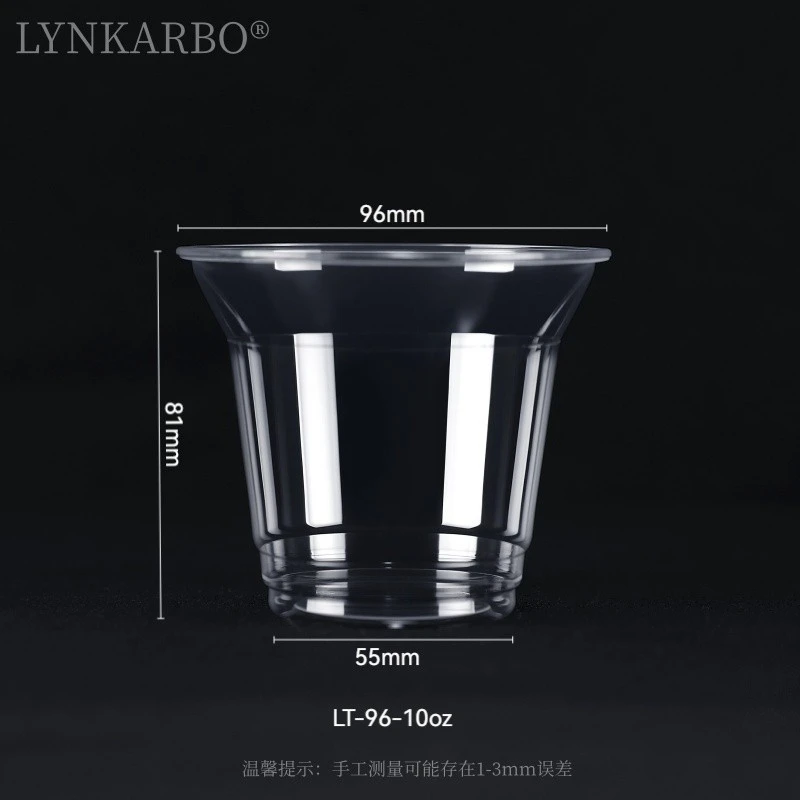
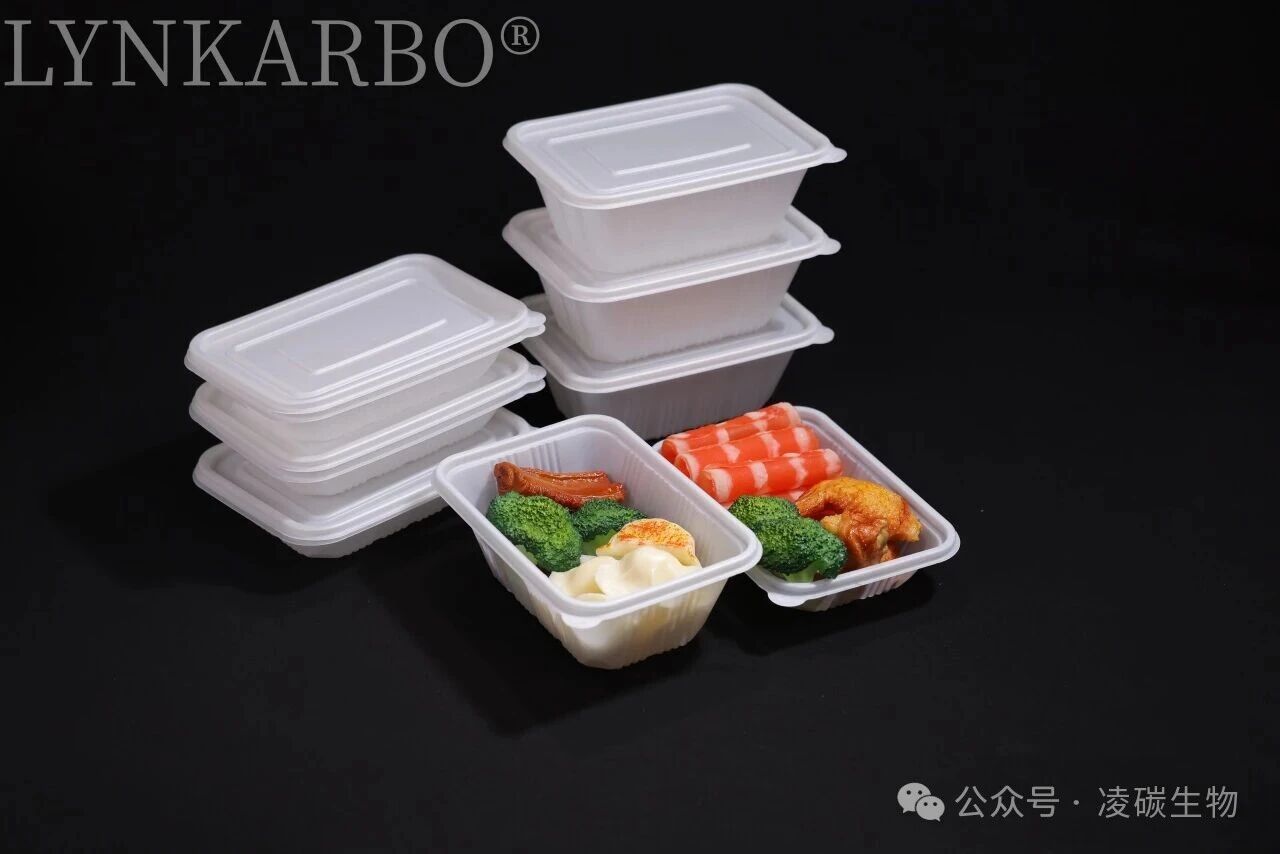
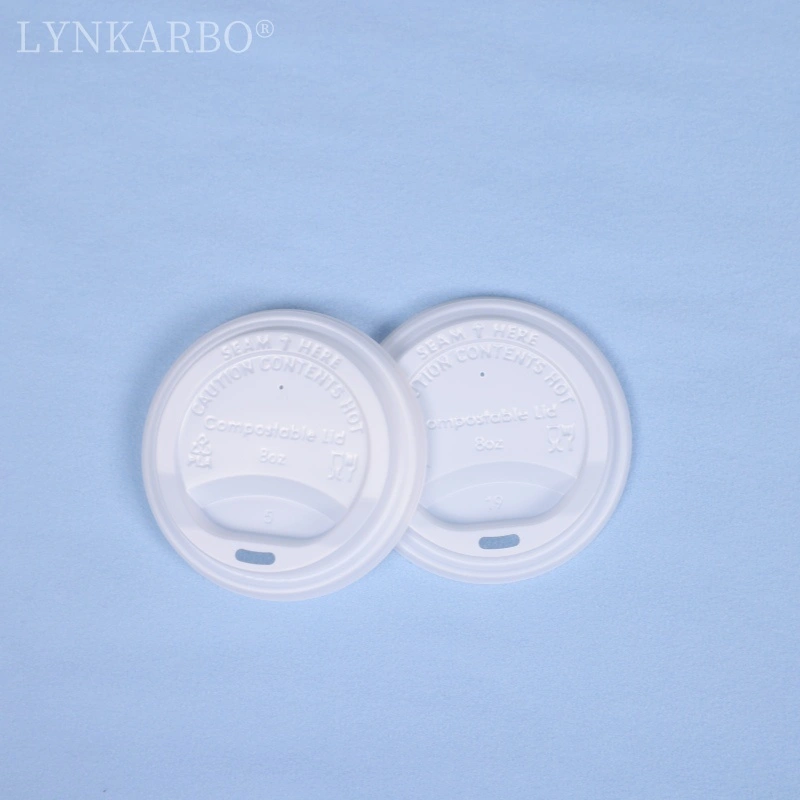
Against the backdrop of the deepening implementation of the "dual carbon" goals and the continued efforts of the "solid waste revolution," fully biodegradable plastics, as a core alternative for plastic pollution control, are shifting from "encouraging use" to "legally promoting" their use. With the continuous improvement of the domestic policy system, the comprehensive upgrading of international green rules, coupled with accelerated technological innovation and explosive market demand, the fully biodegradable plastics industry has entered a high-quality development window driven by policy, technology, and the market, becoming a core track in the wave of green transformation.
Single biodegradable resins (such as PLA and PBAT) suffer from drawbacks such as high brittleness and poor heat resistance. However, the widespread application of advanced technologies such as blending modification, nanocompositing, and crosslinking reactions has driven a comprehensive improvement in material properties. For example, blending PLA and PBAT can significantly enhance film flexibility, while adding nanocellulose can improve mechanical properties and thermal stability, enabling products to successfully replace traditional plastics in high-end fields such as automotive interiors and electronic appliance housings. Currently, a university's research on epoxy functionalized reactive additives has solved the compatibility problem between PLA and PBAT, enabling the industrial application of ultra-tough blended materials and further expanding the boundaries of product applications.
Significant progress has been made in synthetic biology technology and the utilization of non-grain biomass, with straw, sawdust, and other lignocellulose and industrial waste gases (CO₂, methanol) gradually becoming core raw materials for producing monomers. This not only alleviates the ethical controversy of "competing with humans for food," but also significantly reduces raw material costs and improves the carbon emission reduction efficiency of the industrial chain. A Dutch company's latest PLGA polymerization synthesis technology, which uses CO₂ as a raw material to prepare biodegradable polymers, possesses both excellent barrier properties and processability, and is expanding from the medical field to food packaging. Meanwhile, the commercialization of bio-based BDO technology in China is accelerating. If large-scale production is achieved, it will completely change the dependence of biodegradable plastics on petroleum-based raw materials.
PLA and PET have similar physical densities, making them difficult to separate using traditional sorting equipment. Even a small amount of PLA contamination can degrade the performance of recycled PET, creating a "recycling paradox" that has become a bottleneck in the industry. In 2026, the HolyGrail 2.0 digital watermarking technology, led by the European AIM Association, completed industrial-scale trials. Through dense digital watermarks invisible to the human eye, it enables high-speed sorting lines to accurately identify PLA, marking its entry into the commercialization phase. Simultaneously, technologies such as enzyme-catalyzed chemical depolymerization and microwave-assisted catalytic pyrolysis are continuously being optimized, providing technical support for the entire lifecycle of plastics and promoting the formation of a closed-loop system of "production-use-recycling-degradation" in the industry.
We use cookies to offer you a better browsing experience, analyze site traffic and personalize content. By using this site, you agree to our use of cookies.Privacy Policy