Polylactic acid (PLA): An environmental star among biodegradable plastics
"Degradable" is everywhere, but the core player is PLA. Walk into a supermarket, open a food delivery app, and the words "degradable" are ubiquitous—green labels on shopping bags, environmental promises on food packaging, and safety endorsements on baby products all herald the arrival of the era of biodegradable plastics. But beneath the noise, many people's understanding of biodegradable plastics remains superficial, limited to the fact that they "decompose." Few know that the true champion of environmental protection is a biodegradable material called polylactic acid (PLA). It's not a minor modification to traditional plastics, but a complete revolution from raw materials to final destination.
What are biodegradable plastics? It's far more complex than simply "labeling them." At its core, it breaks the "perpetual nature" of traditional plastics. Traditional petroleum-based plastics have stable and robust molecular chains, meaning they can remain in the environment for hundreds of years after being discarded, decomposing into microplastics that are ubiquitous. The essence of biodegradable plastics, however, lies in the precise design of their molecular structure, giving the material "lifecycle management" capabilities—during use, they possess sufficient strength and durability like traditional plastics; once their purpose is fulfilled, they can initiate a decomposition process under specific conditions, ultimately returning to nature without leaving any stubborn residue.

Biodegradable plastics fall into three categories, with biodegradability being the dominant force. Within the biodegradable plastic family, not all members achieve a true environmental closed loop. Based on their degradation mechanisms, they are divided into three camps: photodegradable plastics rely on sunlight and oxygen, but are highly dependent on weather conditions and difficult to decompose in the dark; water-degradable plastics dissolve in water and are mostly used in medical settings such as surgical sutures, with a relatively narrow range of applications; biodegradable plastics are the true "main force" in environmental protection, relying on microorganisms in soil, seawater, or composting environments to "digest and decompose" them, ultimately transforming them into carbon dioxide, water, and organic matter, perfectly integrating into the natural cycle. Polylactic acid (PLA) is undoubtedly the "top performer" in this camp.
PLA's core advantages: superior in both origin and performance. The brilliance of polylactic acid (PLA) is already predetermined by its origins. Unlike traditional plastics that are "oil-fed," PLA's raw materials are renewable crops such as corn, sugarcane, and cassava. The starch in these crops is fermented to extract lactic acid, which is then polymerized to form PLA particles. This process completely eliminates dependence on fossil fuels and creates a perfect carbon cycle – crops absorb carbon dioxide from the air during growth, PLA production and use do not add additional carbon emissions, and the carbon dioxide released during degradation can be absorbed by new crops, achieving "carbon neutrality."
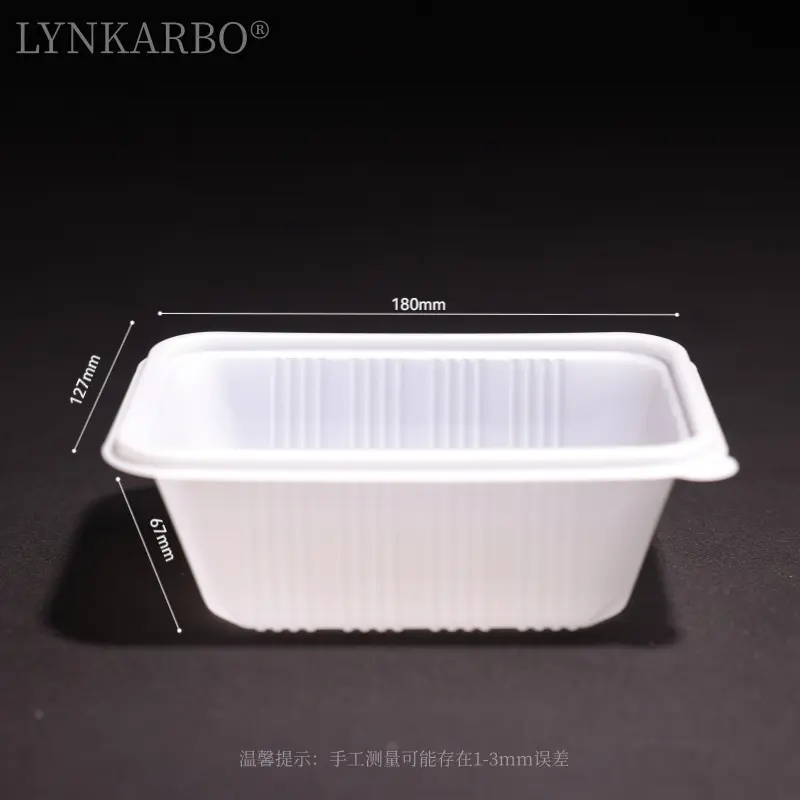
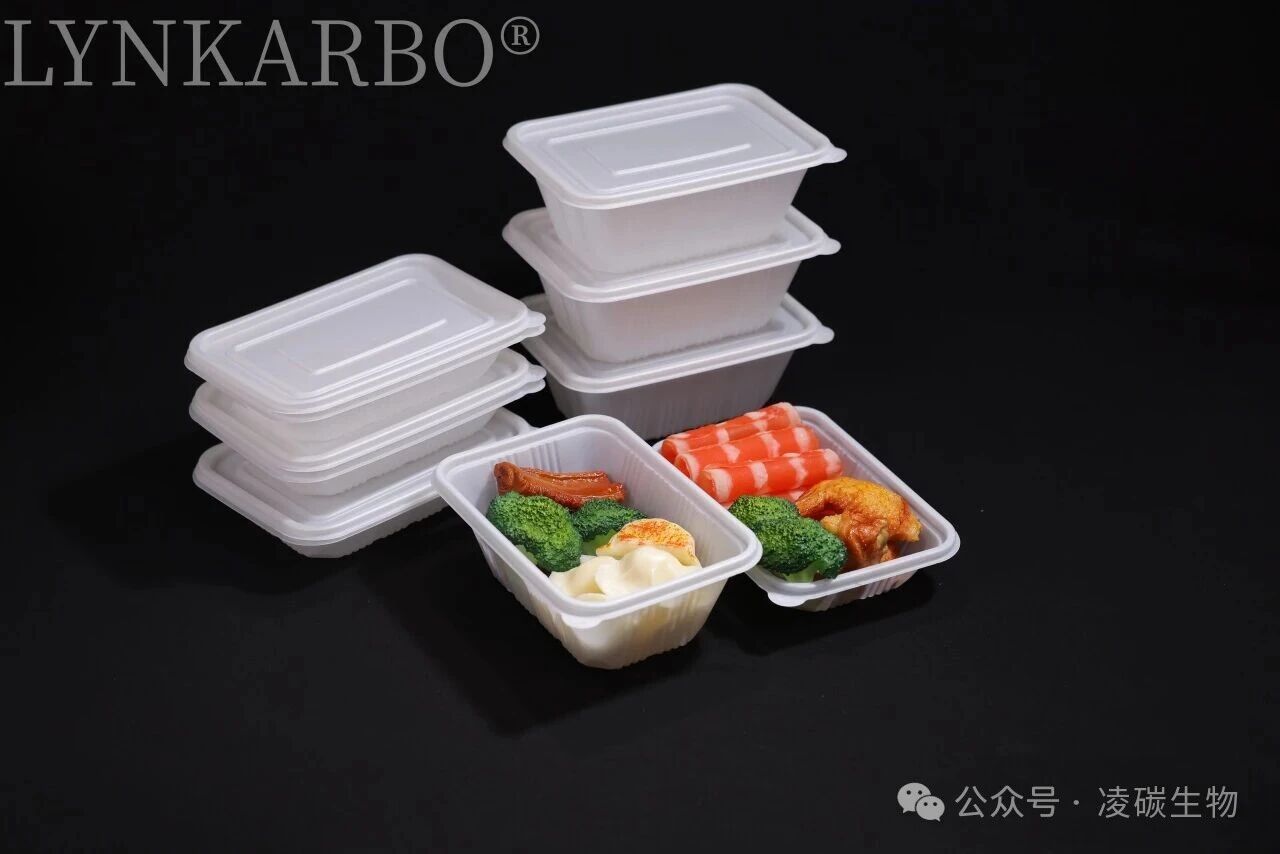
For a long time, the stereotype that "environmentally friendly materials are not durable" has been deeply ingrained, but PLA has completely shattered this prejudice. Its hardness, toughness, and transparency all meet food-grade application standards, making it suitable for creating lunchboxes that can withstand hot soup, durable shopping bags, and also for processing into highly transparent food packaging films and soft non-woven fabrics. PLA tableware has high-temperature resistance to meet daily dining needs, preventing deformation and leakage when holding hot food; PLA packaging films have barrier properties far exceeding ordinary cling film, effectively extending the shelf life of fresh produce and pastries. From food delivery to clothing and textiles, from food packaging to 3D printing, PLA's application scenarios are constantly expanding, truly achieving a two-way pursuit of "environmental protection" and "practicality." The ultimate charm of PLA lies in its complete closed loop of "coming from nature and returning to nature." Under industrial composting conditions (temperature 55-60℃, suitable humidity, and sufficient microorganisms), PLA products can be completely decomposed in just 3-6 months, with the final products being carbon dioxide and water. This is not only harmless to the environment but also serves as nutrients for the soil. Even in natural environments, such as soil or seawater, PLA can gradually degrade under the slow action of microorganisms, unlike traditional plastics which break down into microplastics, and it does not cause sustained damage to the ecosystem.
Related News
- Going to Latin America | Policy Mandatory Replacement! Lingcarbon Biotech makes its debut at the Mexico exhibition, showcasing its strong PLA cold and hot food packaging capabilities
- How to Select CPLA Heat‑Resistant Food Containers & PLA Cold‑Drink Packaging? Choose According to Scenarios to Avoid Pitfalls
- How Can CPLA Natural Color Cup Lids Transform Your Sustainable Packaging?
- How Can PLA Cold Drink Cups Improve Sustainable Beverage Packaging?
- How can PLA modification process optimize the wear resistance and light transmittance of cold drink cups?
- What conditions should be considered when storing CPLA cup lids?
Leave me a message