The Wisdom of Plastic Reduction Amidst the Plastic Barrier: PLA Makes Choices More Flexible
Plastic has long permeated the air, food, and drinking water, weaving an invisible web covering our lives. Data shows that approximately 11 million tons of plastic waste enter the ocean each year, and at current rates, this figure will increase to 33 million tons by 2040, three times the current amount. Even more worrying is that scientists have detected microplastics in the human brain, lungs, digestive tract, and even the placenta. Although their specific health effects are still inconclusive, early studies have linked them to a higher risk of heart disease, stroke, and intestinal diseases.
Faced with the ubiquitous reality of plastic, how should we respond? Should we strive for the ultimate goal of "zero plastic," or passively accept the status quo?
More than 16,000 stabilizers and plasticizers are added during plastic production, most of which lack complete toxicological data, making potential health risks difficult to predict. Microplastics, as "invisible killers," are combinations of these additives and plastic fragments that continuously infiltrate the human body through respiration and ingestion.
From an environmental perspective, plastic infiltration has already crossed boundaries. Approximately 1,300 species of marine life worldwide have ingested plastic, from plankton to whales; plastic pollution has evolved from an isolated phenomenon into a widespread crisis. Microplastics have been found not only in the snow on the summit of Mount Everest but also in deep-sea sediments in the Mariana Trench; "plastic everywhere" is no longer an exaggeration.
The root of all this lies in the non-degradability of traditional plastics—they can remain in the environment for hundreds of years, continuously decomposing into microplastics, forming a vicious cycle of "production-use-disposal-pollution." PLA, as a representative of fully biodegradable plastics, uses renewable biomass such as corn and cassava as raw materials. After being discarded, it can be completely decomposed into carbon dioxide and water under industrial composting conditions, eliminating microplastic residues from the source and becoming the key to breaking this cycle.
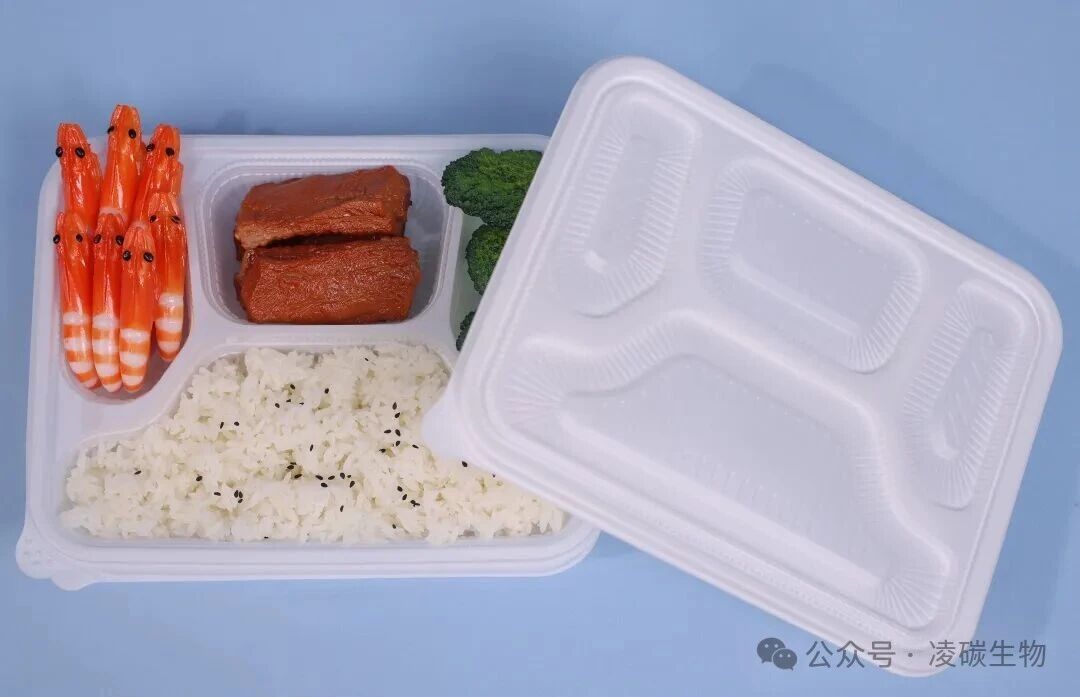
Plastic reduction doesn't have to be a "one-size-fits-all" approach; PLA makes alternatives more feasible
In many situations, there are currently no substitutes for plastic. Completely eliminating plastic is unrealistic, and forcibly pursuing a "zero-plastic" lifestyle will only cause inconvenience. However, this doesn't mean we should passively accept it; rather, we can consciously reduce our exposure through choices. The widespread availability of PLA makes this choice simple and feasible.
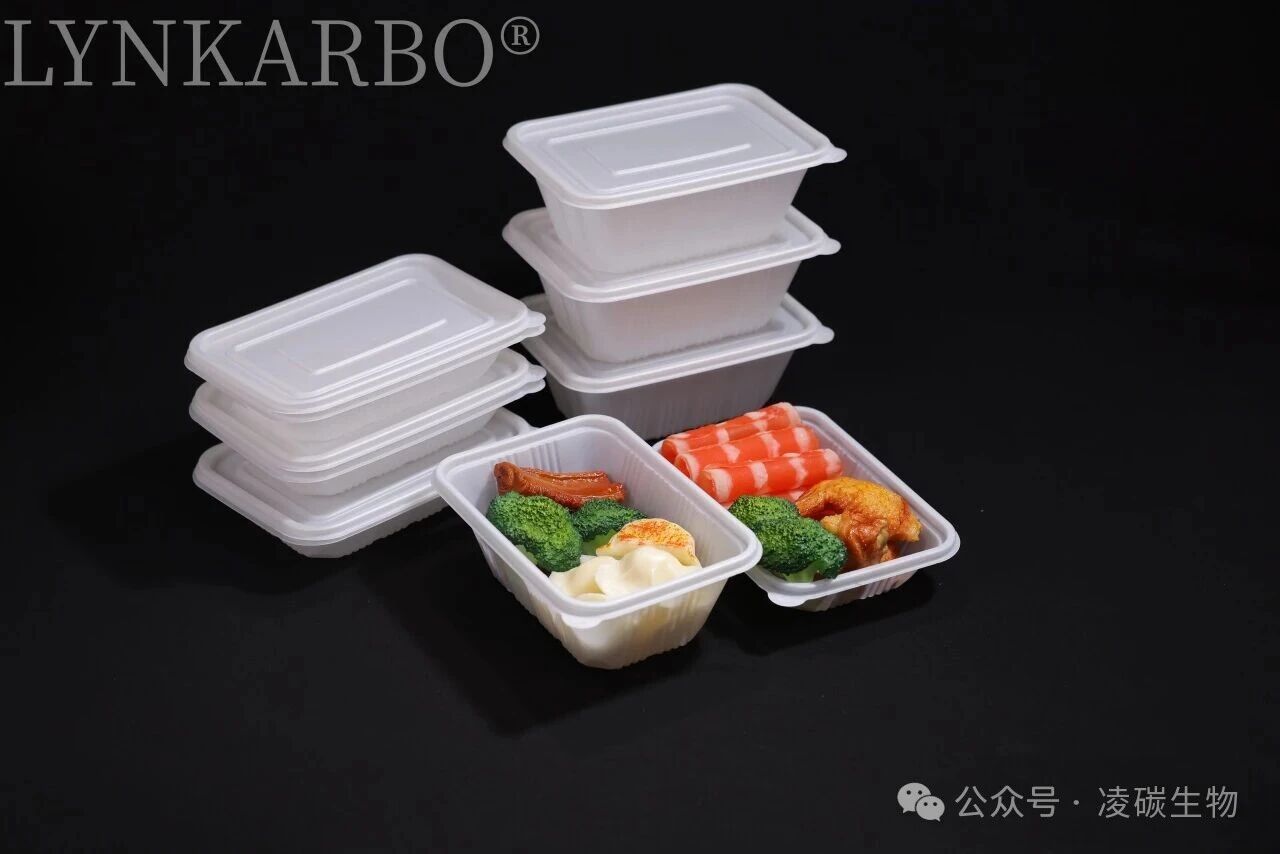
In the food service sector: Heating food in plastic containers at high temperatures causes the plastic to release microplastics and harmful additives. The plastic coating on the inner wall of disposable coffee cups also releases microplastics. PLA tableware, coffee cups, and straws, on the other hand, contain no harmful additives found in traditional plastics, are heat-resistant enough for everyday hot drinks and food, and are completely biodegradable after disposal, retaining portability while eliminating pollution risks.
Packaging Scenarios: The excessive packaging in supermarkets, such as "carrots wrapped in three layers of plastic film," wastes resources and generates a large amount of microplastics. Reducing the excessive use of food packaging is crucial. PLA biodegradable packaging films, food storage containers, and shopping bags not only meet the needs of fruit and vegetable preservation and item storage but also degrade rapidly, reducing packaging plastic waste at the source.
Life Scenarios: Microfibers shed from clothing during laundry are a significant source of microplastics. Washing with low-temperature water and mild detergent, along with a washing machine filter, can reduce microplastic emissions by 90%. Clothing made from PLA biodegradable fabric also has microfibers that degrade rapidly in the natural environment, unlike traditional synthetic fabrics which leave long-term residues.
Related News
- Going to Latin America | Policy Mandatory Replacement! Lingcarbon Biotech makes its debut at the Mexico exhibition, showcasing its strong PLA cold and hot food packaging capabilities
- How to Select CPLA Heat‑Resistant Food Containers & PLA Cold‑Drink Packaging? Choose According to Scenarios to Avoid Pitfalls
- How Can CPLA Natural Color Cup Lids Transform Your Sustainable Packaging?
- How Can PLA Cold Drink Cups Improve Sustainable Beverage Packaging?
- How can PLA modification process optimize the wear resistance and light transmittance of cold drink cups?
- What conditions should be considered when storing CPLA cup lids?
Leave me a message