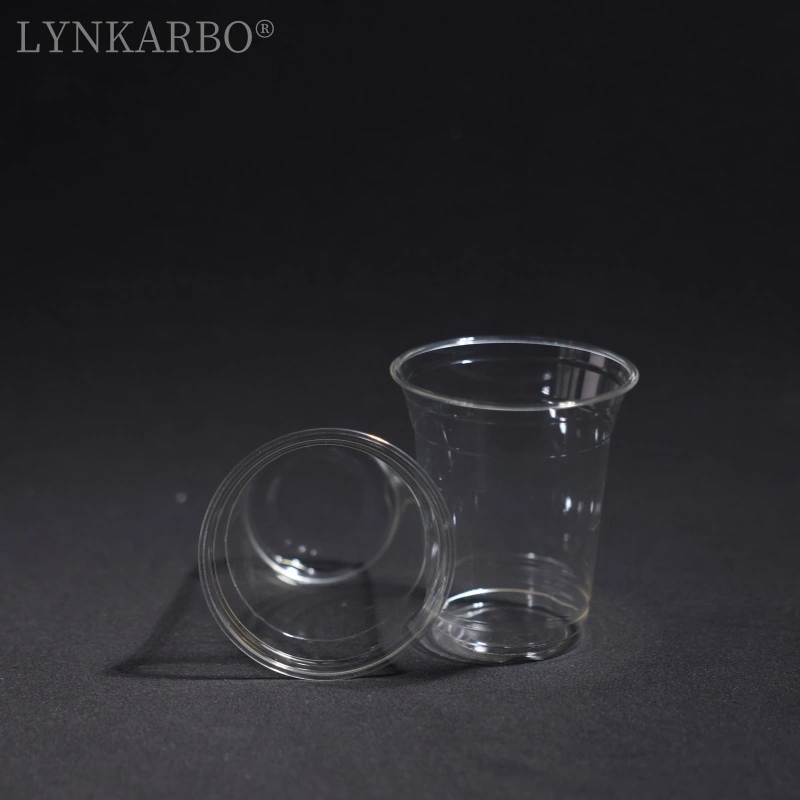
The Importance of PLA and the Necessity of Vigorously Developing Fully Biodegradable Plastics
Globally, annual plastic production exceeds 400 million tons, with single-use plastic products accounting for over 50%. These products have short lifespans, are difficult to recycle (effective recycling rate is less than 10%), and most end up in landfills, incineration, or water bodies, causing soil degradation, air pollution, and water pollution, threatening ecosystems and human health. PLA, on the other hand, is made from renewable agricultural crops such as corn and sugarcane through bio-fermentation and polymerization. Its core advantage lies in its complete biodegradability. Under industrial composting conditions, it can decompose into water and carbon dioxide within 6-12 months, and it also degrades harmlessly in the natural environment without leaving toxic residues, achieving ecological recycling and reducing plastic waste accumulation and pollution at the source. Professional organizations estimate that replacing 100,000 kg of wire with traditional ABS plastic can reduce carbon emissions equivalent to driving a gasoline-powered car for over 1.08 million kilometers. Furthermore, its production does not rely on petroleum refining, avoiding related pollution and demonstrating high ecological value.
Compared to traditional plastics, PLA's environmental advantages extend throughout its entire life cycle. When planting raw materials, crops can absorb carbon dioxide to achieve carbon fixation; the production process is environmentally friendly, energy-efficient, and has no serious pollution emissions; after waste treatment, the degradation products can participate in the natural cycle without secondary pollution, making it a core tool for controlling white pollution.
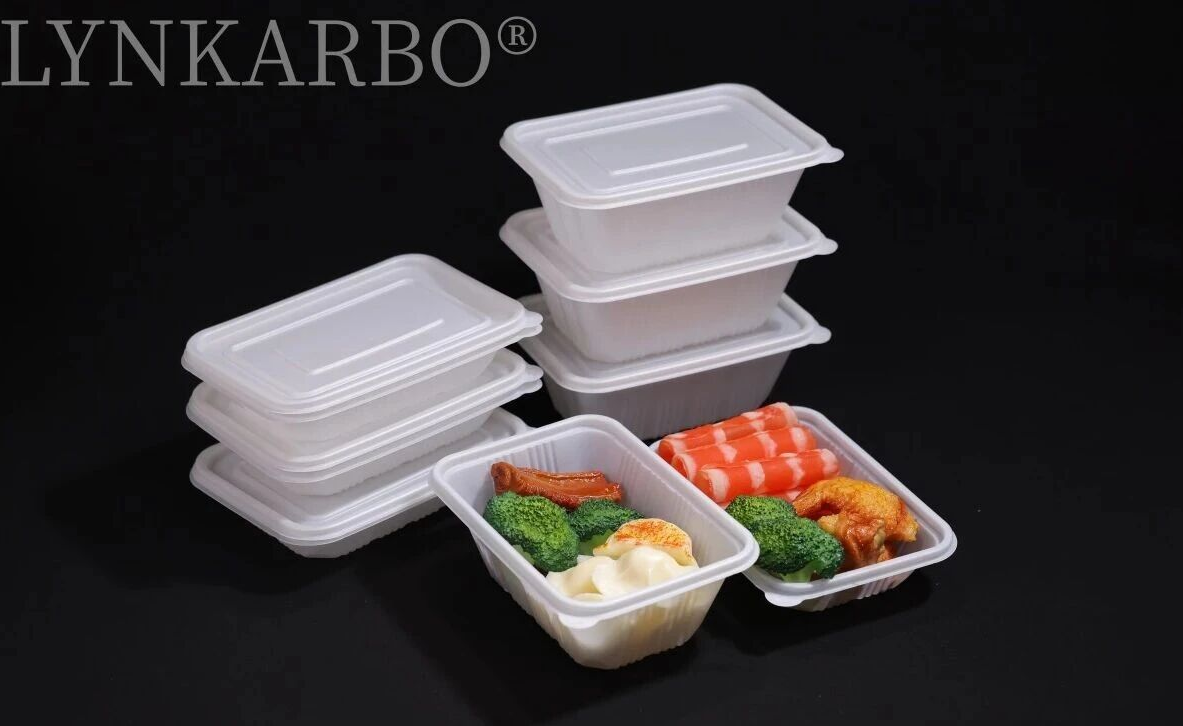
The development of PLA is of great significance for alleviating fossil resource shortages, promoting energy diversification, and contributing to the "dual carbon" goals. The traditional plastics industry is energy-intensive, with over 90% of its raw materials relying on non-renewable energy sources such as petroleum. Global reserves are limited, and extraction exacerbates resource depletion, leading to energy supply and demand imbalances and security risks. my country's high dependence on imported oil further increases energy security uncertainty due to the traditional plastics industry. PLA, as a non-petroleum-based material, is derived from renewable biomass and is not limited by fossil fuels, reducing reliance on fossil fuels and promoting energy structure transformation. It can also utilize agricultural waste, achieving resource utilization, reducing pollution, extending the agricultural industry chain, and increasing farmers' income. Simultaneously, its carbon emissions are far lower than those of traditional plastics. Developing the PLA industry can help my country reduce carbon emissions and enhance its competitiveness in the global green industry.
PLA's multifunctionality makes it widely applicable. In the medical field, its good biocompatibility and absorbability, and the non-toxic side effects of its degradation products, make it suitable for use in absorbable sutures, bone screws, etc., reducing patient pain and medical waste. In the 3D printing field, its low melting point, easy molding, non-toxic and environmentally friendly properties have made it a mainstream consumable, helping the green transformation of the manufacturing industry. In the consumer sector, it can be made into environmentally friendly packaging and shopping bags, and its fibers are used in clothing, medical masks, etc., which are environmentally friendly and protect health, and its application areas are constantly expanding.
Related News
- Going to Latin America | Policy Mandatory Replacement! Lingcarbon Biotech makes its debut at the Mexico exhibition, showcasing its strong PLA cold and hot food packaging capabilities
- How to Select CPLA Heat‑Resistant Food Containers & PLA Cold‑Drink Packaging? Choose According to Scenarios to Avoid Pitfalls
- How Can CPLA Natural Color Cup Lids Transform Your Sustainable Packaging?
- How Can PLA Cold Drink Cups Improve Sustainable Beverage Packaging?
- How can PLA modification process optimize the wear resistance and light transmittance of cold drink cups?
- What conditions should be considered when storing CPLA cup lids?
Leave me a message