

News
Welcome to LYNKARBO® News Center. Here you can get the latest information about our company and industry, including new product releases, certification updates, technological innovations, and exhibition dynamics.
 11 2026-05
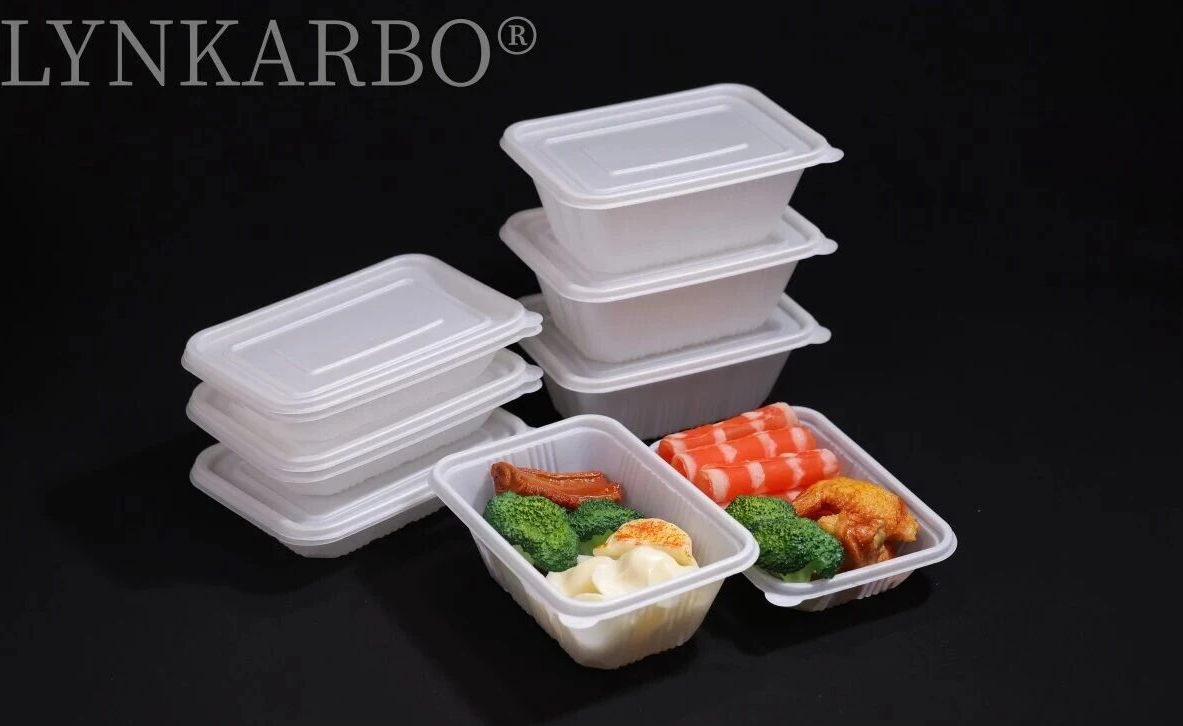
 How Does a PLA Lunch Box Improve Your Daily Life?
PLA lunch boxes are rapidly gaining popularity as sustainable alternatives to traditional plastic containers. In this article, we explore their benefits, practical applications, and how they help address environmental and health concerns. We will also provide detailed insights into LYNKARBO® PLA lunch boxes, making it easier for consumers to choose the best option for their needs.
What are the materials used in CPLA lunch boxes, and how environmentally friendly are they?
With the global wave of environmental protection, the demand for eco-friendly tableware in the catering industry is growing. CPLA lunchboxes, with their unique materials and excellent environmental performance, are gradually becoming a popular choice in the market. So, what exactly are CPLA lunchboxes made of, and how environmentally friendly are they?
 30 2026-04
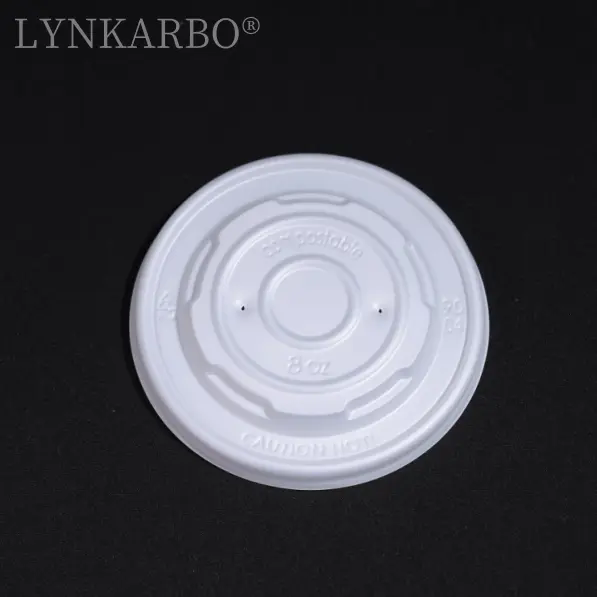
 How Does a CPLA Soup Bowl Lid Improve Your Food Service Experience?
The CPLA Soup Bowl Lid is revolutionizing the way restaurants, caterers, and consumers manage takeaway and on-the-go meals. Made from compostable polylactic acid, it ensures durability, heat resistance, and environmental friendliness. This article explores its features, benefits, usage tips, and answers frequently asked questions to help businesses and individuals make informed choices.
Is CPLA safe for food contact applications?
In the field of food contact materials, safety has always been the primary concern for consumers and businesses. With increasing environmental awareness, biodegradable materials are gradually becoming the new favorites in the market, and CPLA (crystalline polylactic acid) has stood out in the food contact field with its superior performance, becoming synonymous with safety and environmental protection.
Are CPLA caps more expensive than traditional plastic caps?
With increasing environmental awareness, traditional plastic cup lids, due to their difficulty in biodegradation, are placing growing pressure on the environment. CPLA cup lids, as a new environmentally friendly option, are gradually gaining popularity.
 20 2026-04
 The Importance of PLA and the Necessity of Vigorously Developing Fully Biodegradable Plastics
Globally, plastic production exceeds 400 million tons annually, with single-use plastic products accounting for over 50%. These products have short lifespans, are difficult to recycle (with an effective recycling rate of less than 10%), and most end up in landfills, incineration, or water bodies, causing soil degradation, air pollution, and water pollution, threatening ecosystems and human health. PLA, on the other hand, is made from renewable agricultural crops such as corn and sugarcane through bio-fermentation and polymerization reactions. Its core advantage lies in its complete biodegradability.