Abstract · This article provides a detailed technical examination of the PLA Square Cold Food Container, exploring its material composition, structural design, and environmental advantages for fresh food packaging. The discussion covers polylactic acid properties, compostability, temperature resistance, and the practical considerations that make this container suitable for salads, fruits, desserts, and chilled ready meals.
01. Material Composition and PLA Properties
The PLA Square Cold Food Container is manufactured from polylactic acid, a biopolymer derived from renewable plant sources such as corn starch or sugarcane. Unlike conventional petroleum-based plastics, PLA offers a reduced environmental footprint and can be industrially composted under controlled conditions.
PLA exhibits excellent clarity and rigidity, making it well-suited for transparent food containers that need to display the contents attractively. It is also resistant to greases and oils, which is important for food packaging. The material is approved for food contact under regulations such as FDA and EU 10/2011, ensuring that it does not transfer harmful substances to the food it contains.
Polylactic Acid (PLA)
Renewable plant starch
Compostable, clear, rigid
02. Square Design and Structural Rigidity
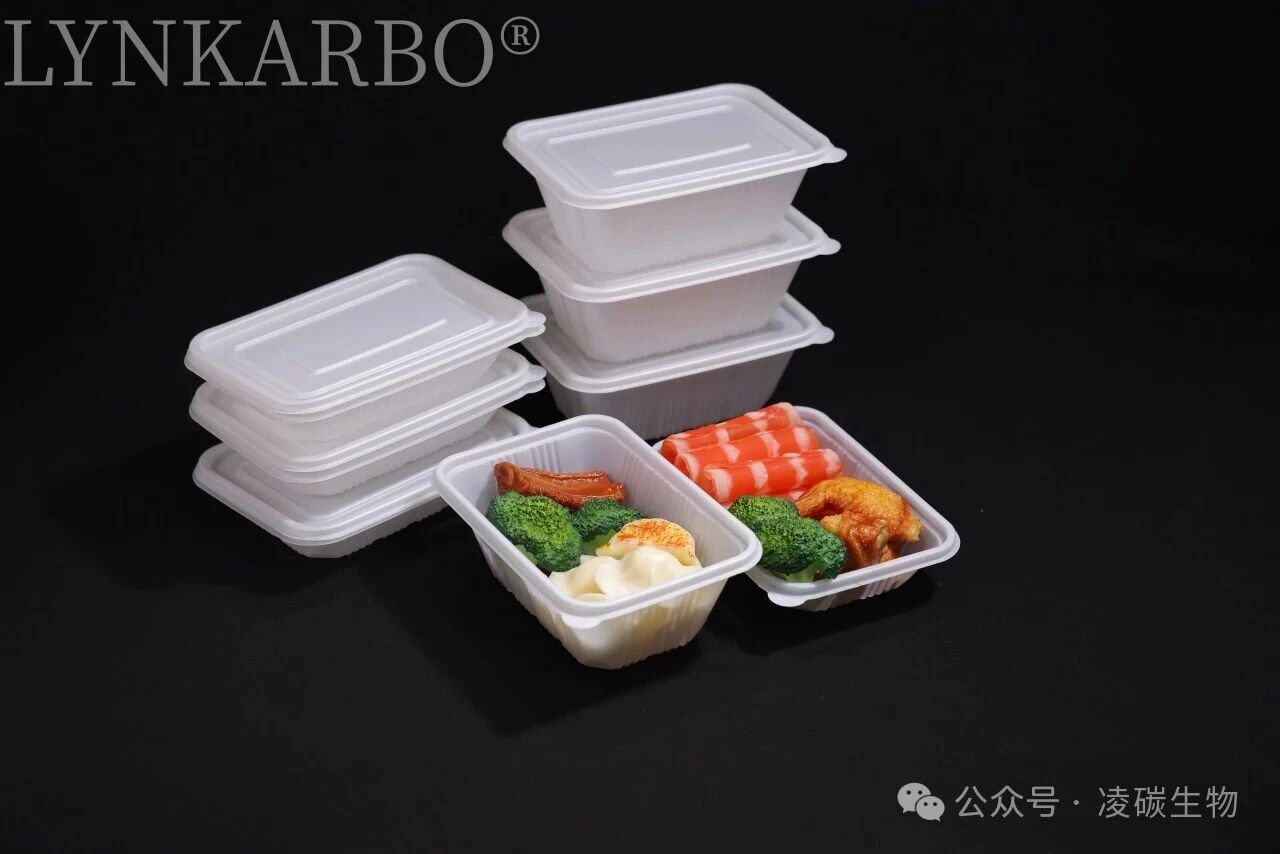
Maximizes storage space and allows efficient stacking
Improved rigidity and resistance to crushing during transport
Lid snaps firmly onto the base to prevent spills and contamination
Transparent material allows contents to be seen without opening
The square shape of the PLA Square Cold Food Container provides practical advantages over round containers. Square containers use space more efficiently in refrigerated display cases and transport crates, and they stack more stably. The corners of the container are typically reinforced to prevent deformation under load, ensuring that the containers maintain their shape even when stacked several layers high.
03. Compostability and Environmental Benefits
The environmental benefits of the PLA Square Cold Food Container are a major factor in its growing popularity. PLA is industrially compostable, meaning it can be broken down by microorganisms into water, carbon dioxide, and biomass under controlled composting conditions.
- Renewable Feedstock: PLA is derived from annually renewable plant sources, reducing reliance on fossil fuels.
- Industrial Compostability: Certified compostable according to standards such as EN 13432 and ASTM D6400.
- Lower Carbon Footprint: The production of PLA generates fewer greenhouse gas emissions compared to conventional plastics.
- Reduced Plastic Pollution: Composting diverts PLA waste from landfills and the natural environment.
- Food Waste Diversion: Compostable containers can be processed together with food scraps in organic waste streams.
Environmental Note: PLA requires industrial composting facilities to break down efficiently. It is not designed to degrade in home compost bins or in the natural environment. Proper disposal in industrial composting streams is essential to realize the environmental benefits.
04. Temperature Resistance and Cold Food Suitability
The PLA Square Cold Food Container is specifically designed for cold food applications. PLA has a relatively low heat deflection temperature, typically around 55°C to 60°C, which means it is not suitable for hot foods or microwave heating.
| Parameter | Typical Value | Application Consideration |
|---|---|---|
| Heat Deflection Temperature | 55°C to 60°C | Suitable for chilled and ambient foods only |
| Service Temperature | -20°C to +50°C | Ideal for refrigeration and cold display |
| Microwave Safe | No | Not recommended for reheating |
| Freezer Safe | Yes, with care | Can be used for frozen desserts |
| Grease Resistance | Good | Suitable for oily and creamy foods |
Based on typical properties of PLA food packaging materials.
The container is well-suited for salads, fruit platters, desserts, cold noodles, and chilled ready meals. Its clarity allows consumers to see the contents, enhancing the visual appeal of the product.
05. Sealing, Stacking, and Transport Efficiency
The design of the PLA Square Cold Food Container emphasizes efficient sealing and stacking for transport and retail display.
- Lid Compatibility: The lid is designed to fit securely on the base, creating a seal that resists leaks and prevents contamination.
- Stacking Stability: The square shape and reinforced corners allow containers to be stacked stably, maximizing storage space.
- Nesting: Empty containers nest together for compact storage before filling.
- Transport Durability: The rigid PLA material withstands the rigors of transport without cracking or deforming.
- Display Appeal: The clear material and square shape create an attractive presentation in refrigerated display cases.
06. Application Domains and Food Industry Use Cases
The PLA square cold food container is used in a variety of food service and retail settings.
- Supermarkets and Grocery Stores: Packaging for fresh salads, cut fruits, and deli items.
- Convenience Stores: Chilled ready meals, desserts, and snacks.
- Catering and Events: Individual servings for buffets, parties, and corporate events.
- Restaurants and Cafés: Takeaway salads and cold side dishes.
- Food Delivery Services: Cold meal deliveries and meal kits.
- Airline Catering: Chilled meal components and desserts.
The combination of environmental responsibility, attractive presentation, and practical performance makes the PLA square cold food container a valuable packaging solution for the food industry.
Frequently Asked Questions
Product specifications and availability may vary. Always consult the manufacturer's documentation for your specific application requirements.